Technology: Two Days in Pompeii Focusing on Human Intelligence in the Face of the AI Boom
By Letizia Giugliano
2 min read
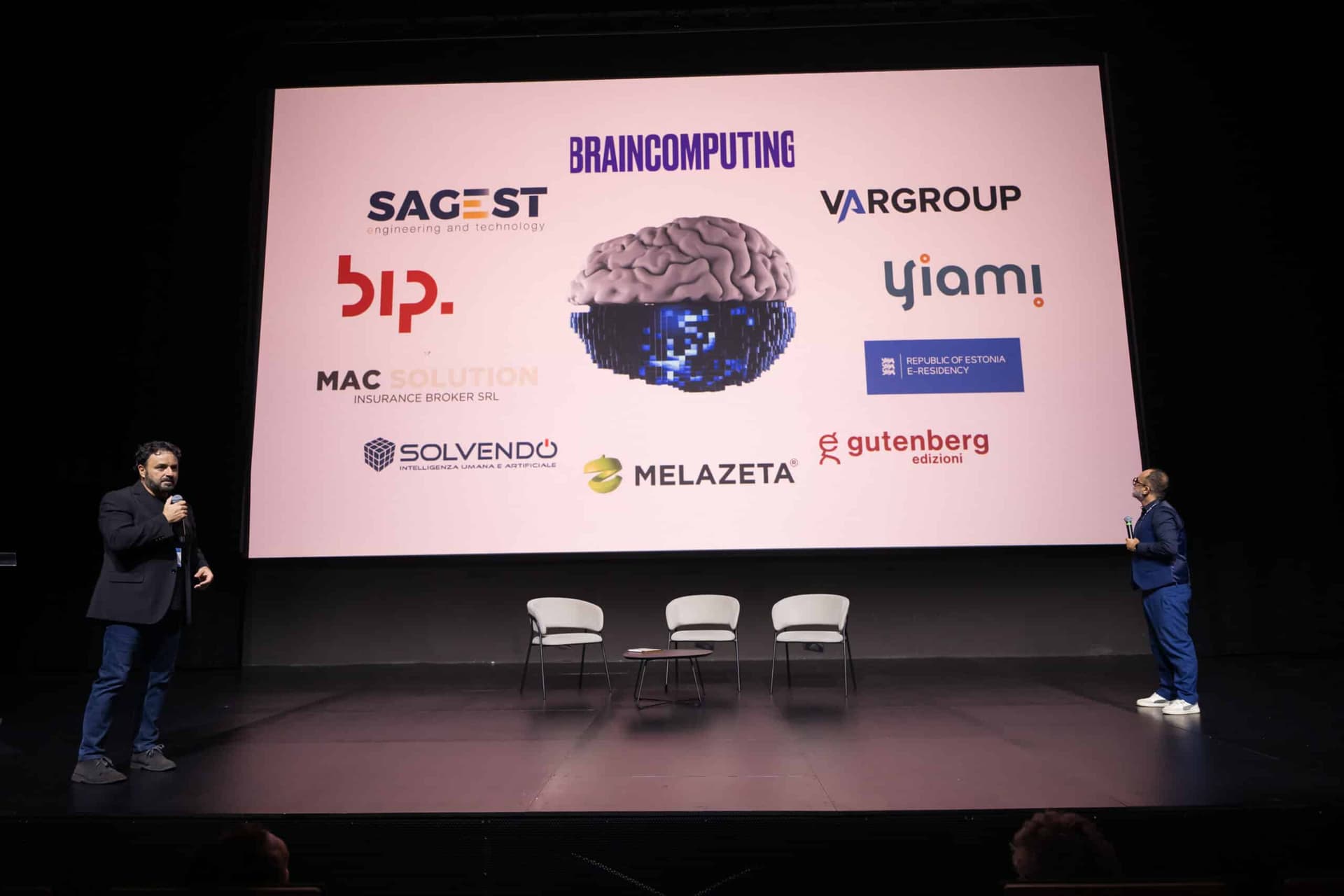
Over 20 panel discussions, with speakers including the “father” of the microchip, Federico Faggin.
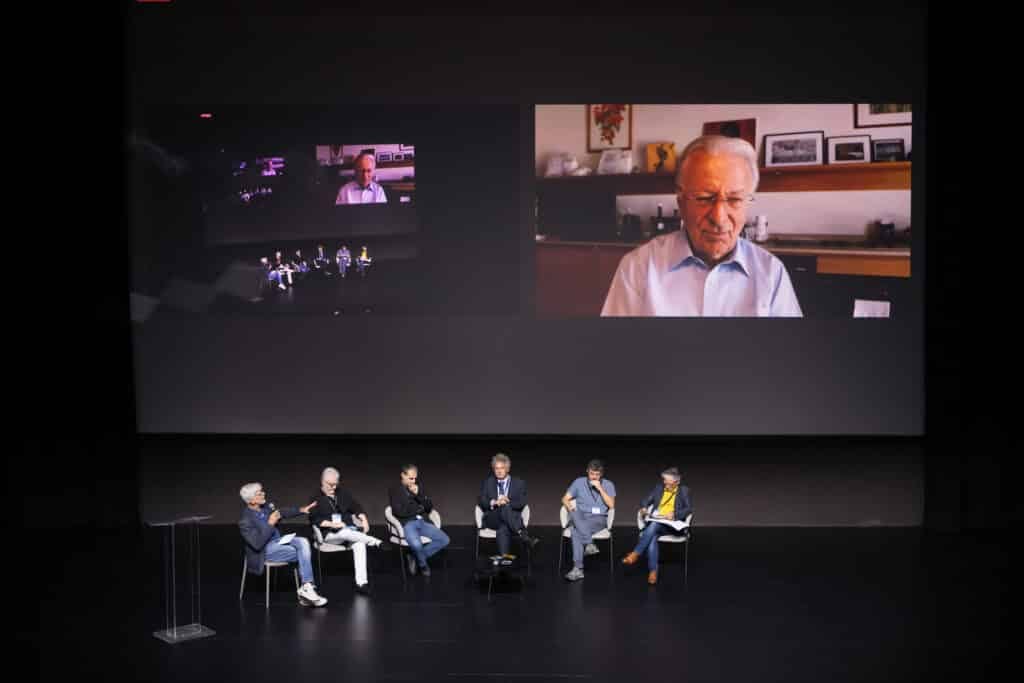
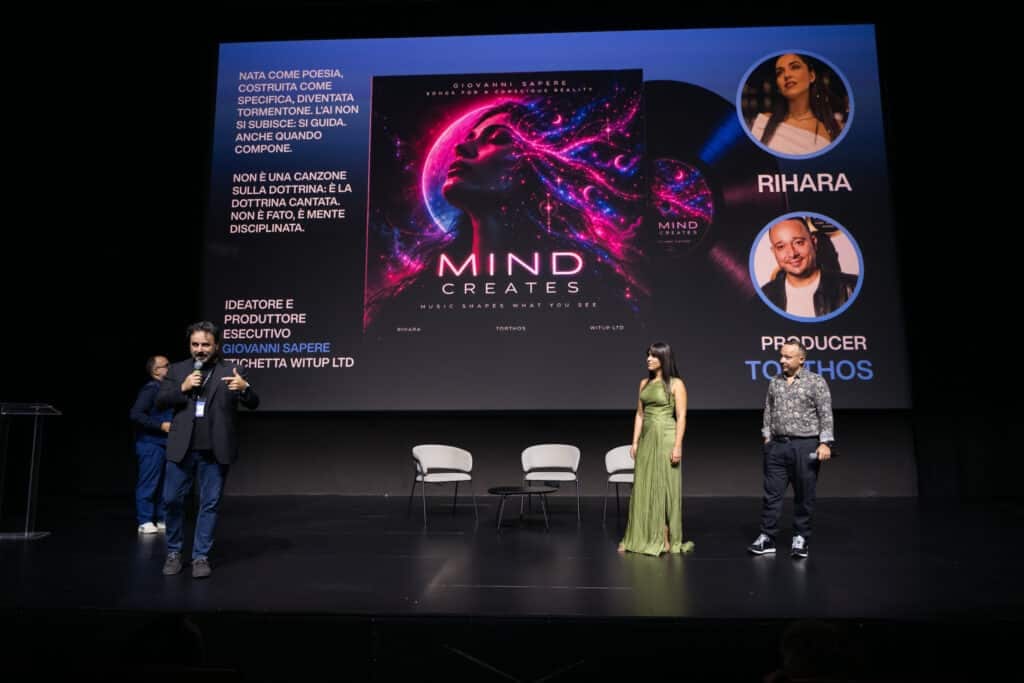
Human intelligence grappling with managing the boom in artificial intelligence. This was one of the topics addressed during the two-day “Human Driven AI Summit” in Pompeii. The event was conceived and promoted by techno-humanist Giovanni Sapere and the Human Driven AI Association, with the support of the City of Pompeii, the University of Salerno, the University of Naples Federico II, the University of Calabria, and the Club Dirigenti Tecnologie.
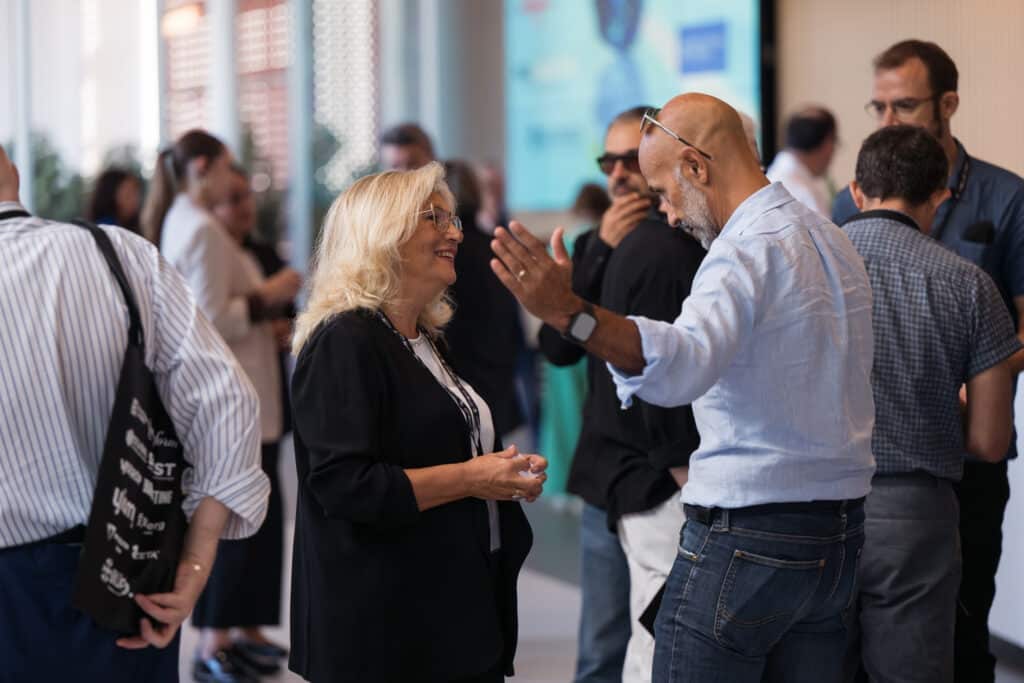
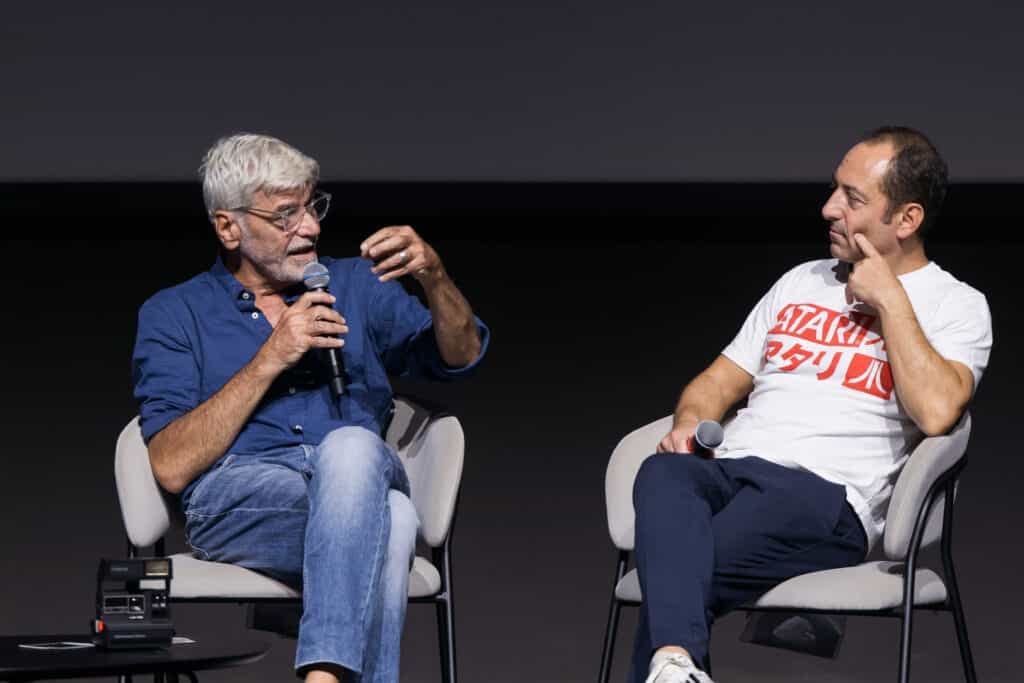
Over the course of the event, more than twenty panel discussions took place, covering topics such as legal tech, digital healthcare, industrial robotics, the fight against disinformation, the AI Act, and cybersecurity. More than 40 speakers took the stage, including internationally renowned experts, scientists, university professors from Italian and foreign institutions such as MIT in Boston, and executives from Big Tech giants like Microsoft and Google Cloud.
Among the topics addressed was the relationship between consciousness, free will, and quantum physics, featuring, among others, physicist and “father” of the microchip, Federico Faggin.The discussion at the two-day event in Pompeii also focused on the potential side effects of using artificial intelligence. “This wasn’t just an event about technology, but a place where the drivers of change sat down together to discuss how they are reinventing their professions,” explained the organizer, Giovanni Sapere. During the event, Professor Virgilio D’Antonio of the University of Salerno was awarded the Institutional Prize; Professor Gianluca Casali (Queensland University of Technology, Australia) received the Scientific Prize; and Alessandro Maresca, Senior Technical Specialist for Data & AI at Microsoft, was awarded the Business Prize.