Space

Space

Artemis II Rocket Burns Created Ionospheric Holes and Disrupted GPS Signals

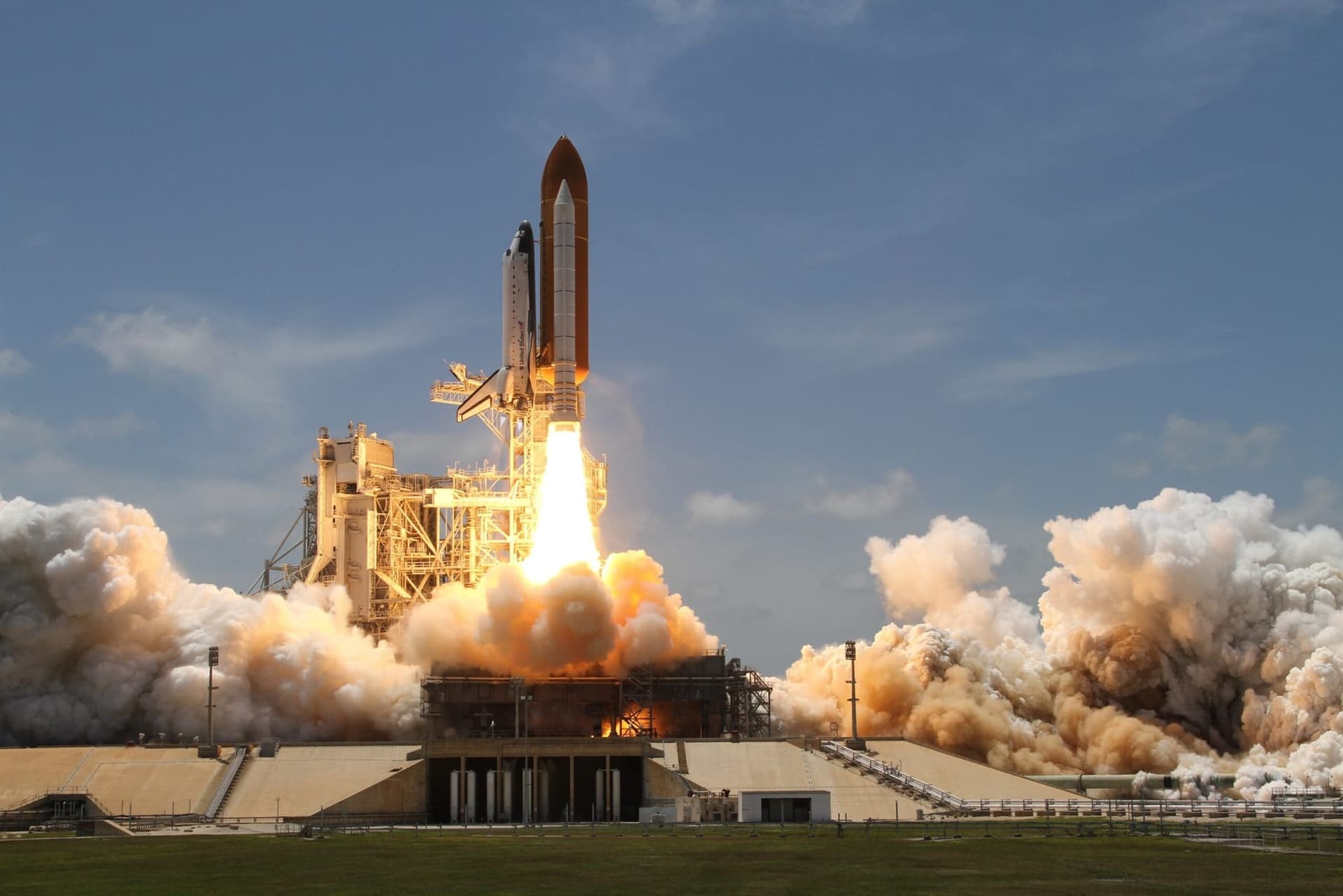
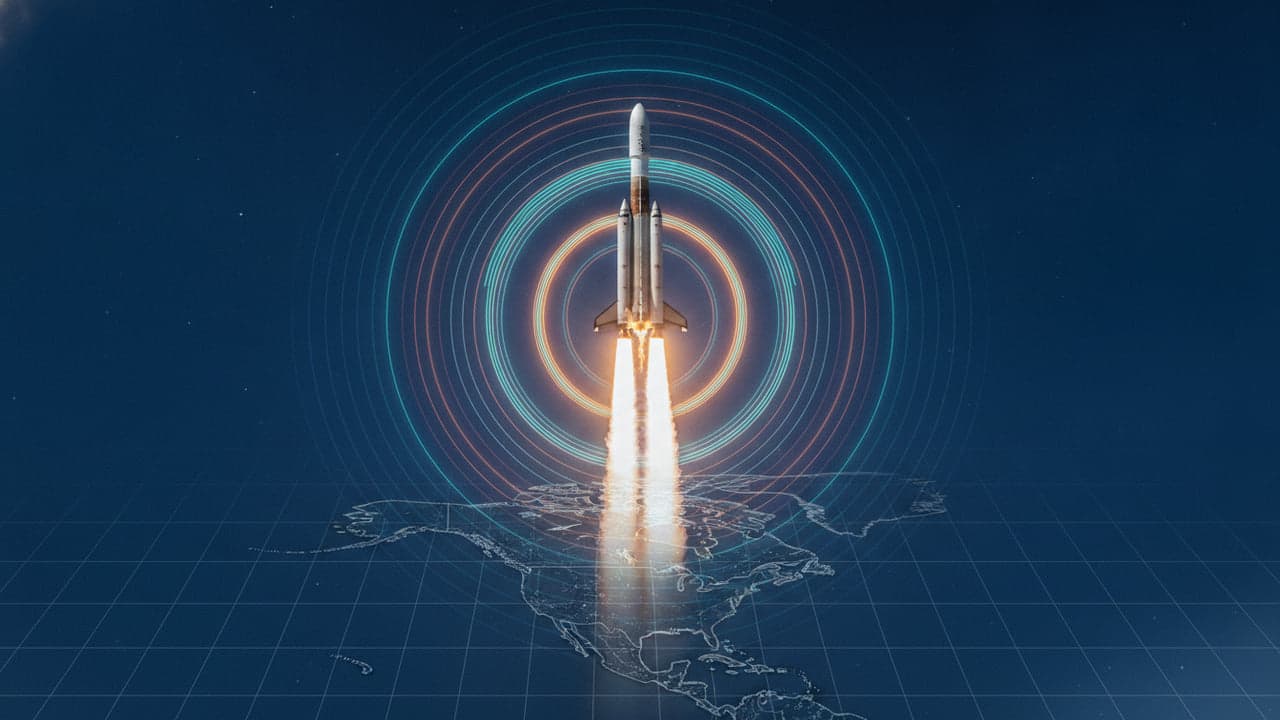
Launches into space generate shock waves and exhaust plumes that reach well beyond the launch pad. A recent pre-print study documented by [Hackaday](https://hackaday.com/2026/11/07/artemis-ii-rocket-was-powerful-enough-to-disrupt-gps/) shows that the Space Launch System rocket flown during the Artemis II mission generated widespread disruptions in Earth's upper atmosphere, altering the ionosphere enough to interfere with satellite positioning signals.
Space

Orbital Matter 3D Prints a 30 Centimeter Boom in Orbit

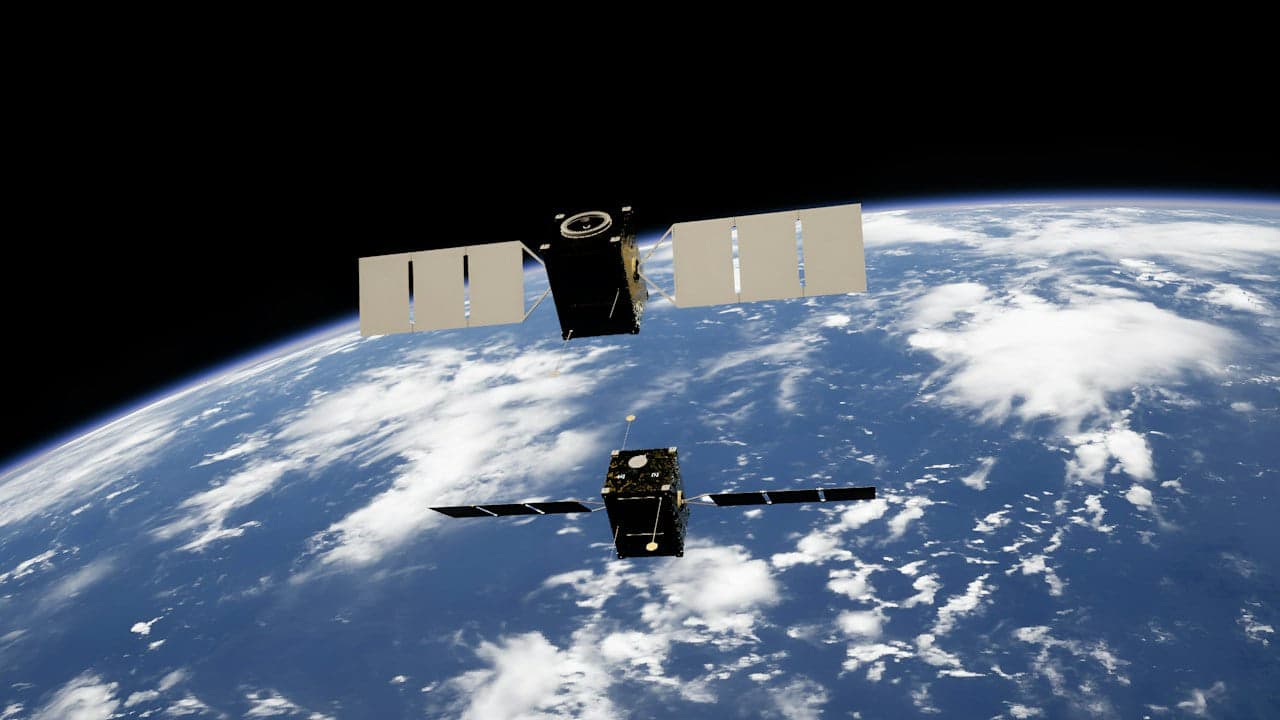
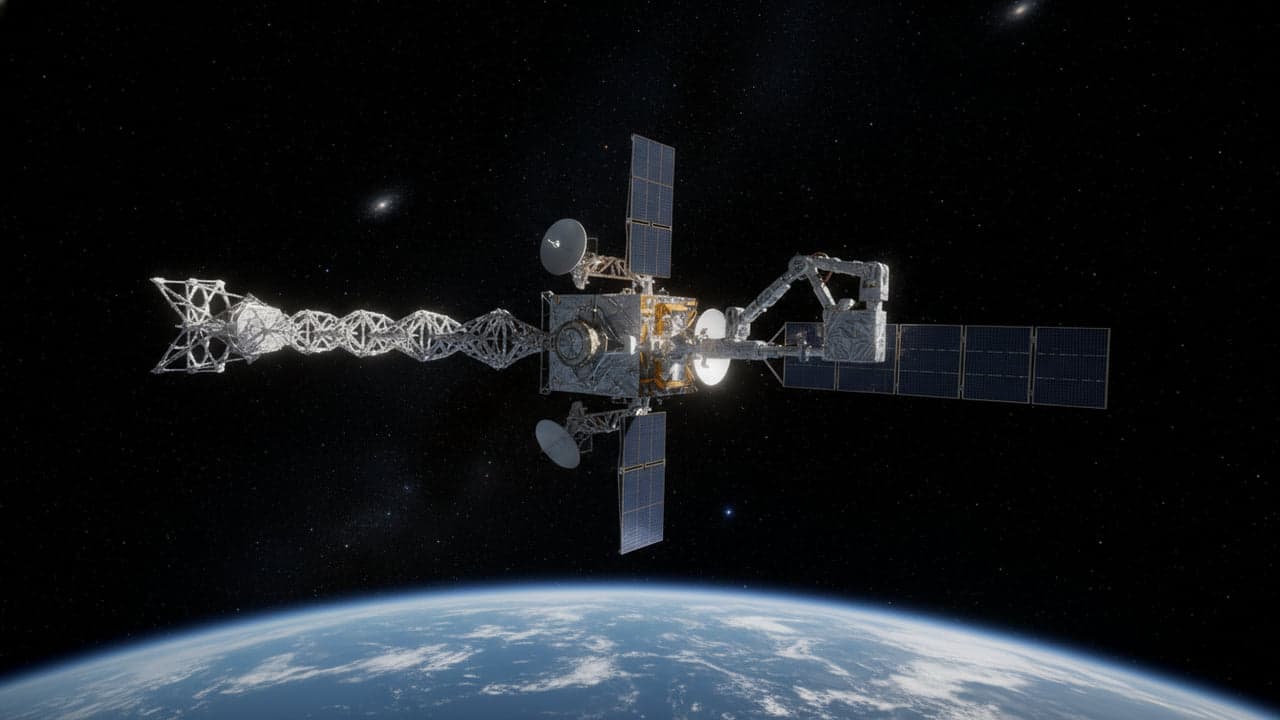
A satellite in low orbit has manufactured a solid structural segment directly into the vacuum of space. Technology company Orbital Matter completed the run using an onboard 3D printing system, extending a continuous boom directly from its craft.

Archeology

Dinosaur Blood Molecules Identified in 115-Million-Year-Old Fossil

Geochemists at Curtin University have detected chemically confirmed traces of blood inside the 115-million-year-old limb bones of a theropod dinosaur found in northeastern Brazil. Published in the Proceedings of the National Academy of Sciences, the research confirms the survival of hemoglobin-derived heme molecules and collagen amino acids sealed within fossilized vascular canals. The finding provides direct chemical evidence that delicate biological structures can withstand tens of millions of years under specific geological conditions.

Mobile

AT&T and AST SpaceMobile complete first cellular to satellite network handoff

Engineers in Washington state have completed what they describe as the first successful live handoff between a terrestrial cellular network and a direct-to-device satellite link. The demonstration by AT&T and AST SpaceMobile allowed standard mobile devices to maintain connectivity as they moved beyond the reach of ground towers. If deployed commercially, the architecture could eliminate dead zones on highways and remote regions without requiring specialized hardware.

Space

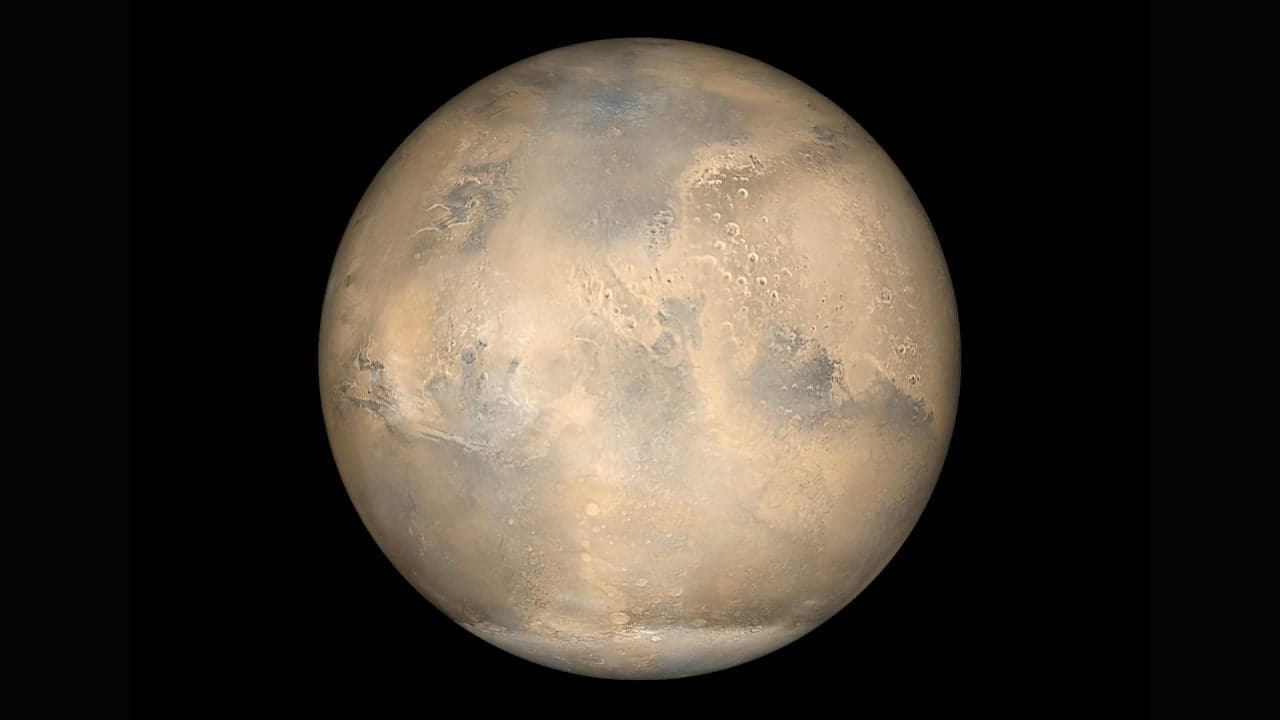
NASA Map Identifies 13 Possible Martian Origins for Teghaza 001 Meteorite

Scientists studying Mars have pinpointed 13 candidate source locations for Teghaza 001, one of the oldest Martian meteorites discovered on Earth. Using spectroscopic and topographical observations from orbital missions in space, researchers traced the unique chemical composition of the rock back to specific highland regions in the Martian southern hemisphere.

Giovanni Sapere

Space

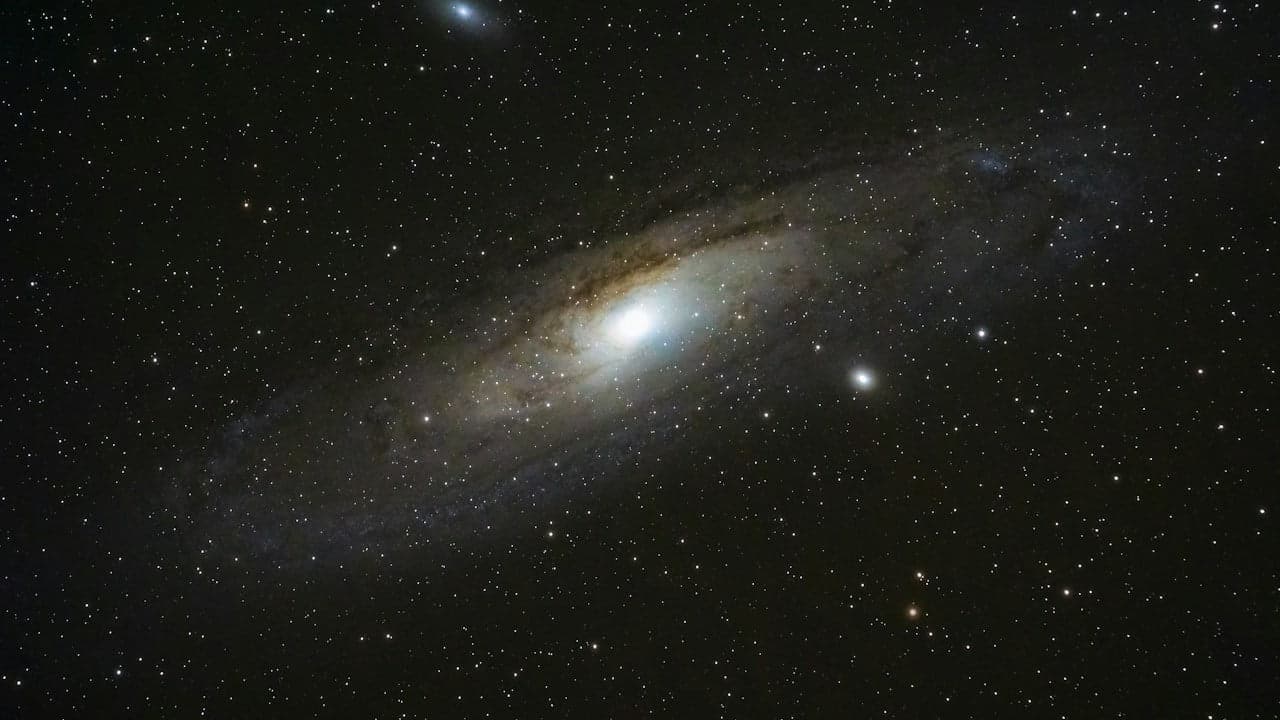
Hubble Telescope Upends Theory on How the Early Universe Cleared Its Cosmic Fog

Astronomers using NASA's Hubble Space Telescope have uncovered evidence that overturns an established model of cosmic history. Observations published in Nature Astronomy reveal that powerful stellar explosions did not help ultraviolet radiation escape ancient galaxies, but instead trapped it inside dense clouds of gas.

Giovanni Sapere

Space

A forgotten heavy neutrino may solve why matter survived the Big Bang

Physicists from the University of Southampton and the Indian Institute of Technology Kanpur have found that a neglected particle may explain why matter exists today instead of empty space. Their analysis shows that a decoupled heavy neutrino briefly dominated the cosmos after the Big Bang, tipping the balance against antimatter.

Giovanni Sapere

Tech

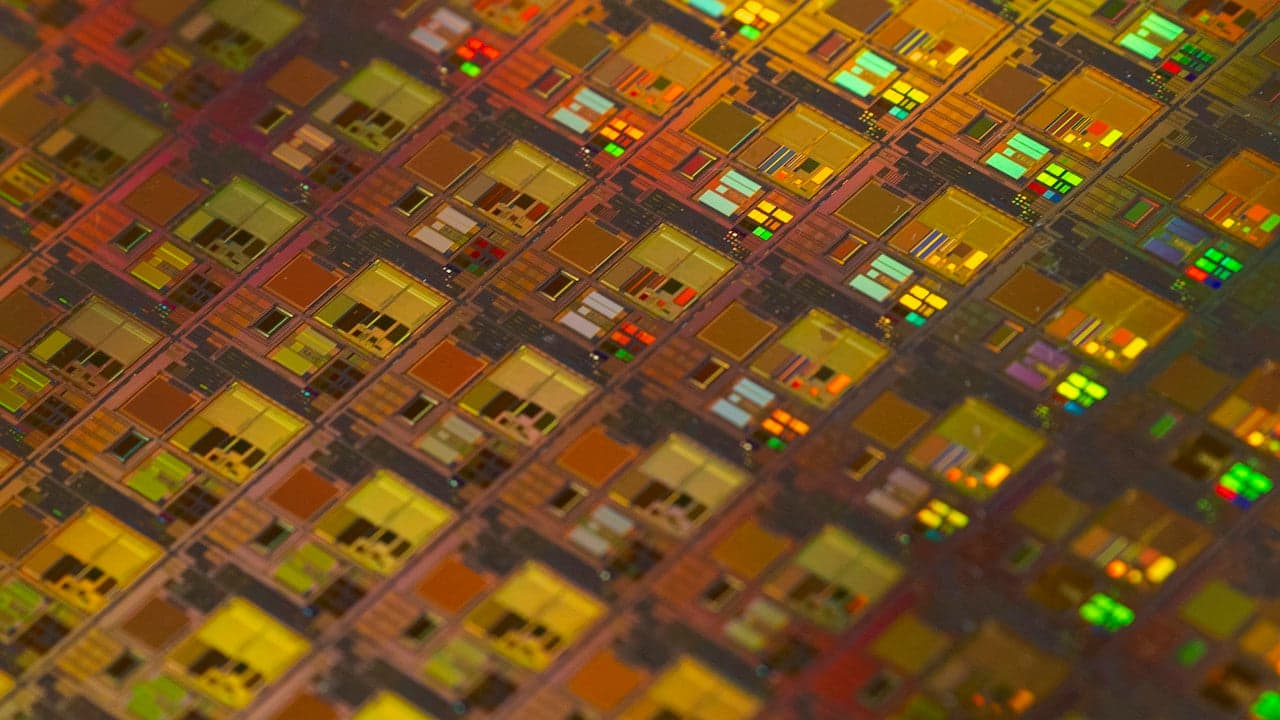
AI Agents Accelerate Radiation Shielding for Space Microchips

Scientists at Pacific Northwest National Laboratory have introduced an artificial intelligence workflow called SciLink to accelerate the development of radiation-hardened microchips. Presented at a regional meeting of the American Chemical Society, the system combines specialized software agents to evaluate how particle bombardment degrades electronics destined for space and nuclear reactors.

Giovanni Sapere

Space

Sunrise-III Balloon Telescope Uncovers Solar Magnetic Web

An international team led by the National Astronomical Observatory of Japan has uncovered an intricate network of magnetic structures above calm solar regions. Carried into the stratosphere aboard the Sunrise-III balloon observatory in 2024, specialized instruments mapped previously unseen magnetic threads, offering fresh clues about how energy travels upward to heat the solar atmosphere.

Letizia Giugliano

Space

JAXA Launches MMX Mission to Retrieve Martian Moon Samples by 2031

Japan has sent its Martian Moons eXploration spacecraft toward Mars, marking an ambitious step forward in deep space exploration. Led by the Japan Aerospace Exploration Agency, the mission seeks to become the first to land on a Martian moon, collect surface material, and bring it back to Earth.

Giovanni Sapere

Physics

The first feasible warp drive model

Two astrophysicists have described the first feasible model of warp drive for spacecraft: in the future will we really be able to travel in space like Captain Kirk?

Giovanni Sapere

News

Most read news of the week: March 20

The most read news of the last week selected by our editorial staff: the t-shirt that produces energy, the space solar panels and the new feature of Whatsapp

Giovanni Sapere