Letizia Giugliano

Robotics

Penn Engineers Speed Up Event Camera Vision to 440 Times per Second

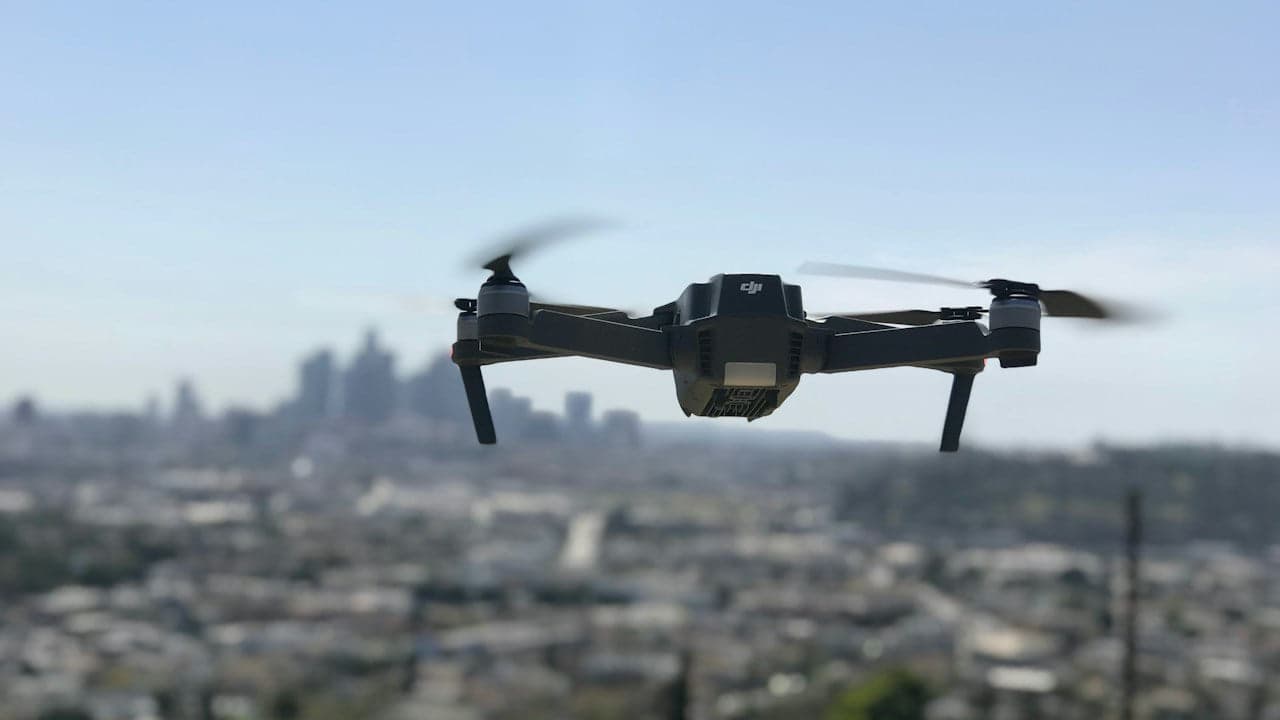
Engineers at the University of Pennsylvania have developed an artificial intelligence tool that processes event-camera visual data up to 440 times per second. The software invention, called Fast Feature Field, allows machines to interpret rapid environmental changes between two and five times faster than earlier methods. Reported in the journal Science Robotics, the system helps autonomous drones, wheeled vehicles, and walking robots react quickly in cluttered spaces and low-light conditions.

Letizia Giugliano
Motors

Beehive Industries tests Frenzy 6 jet engine prototype for drones

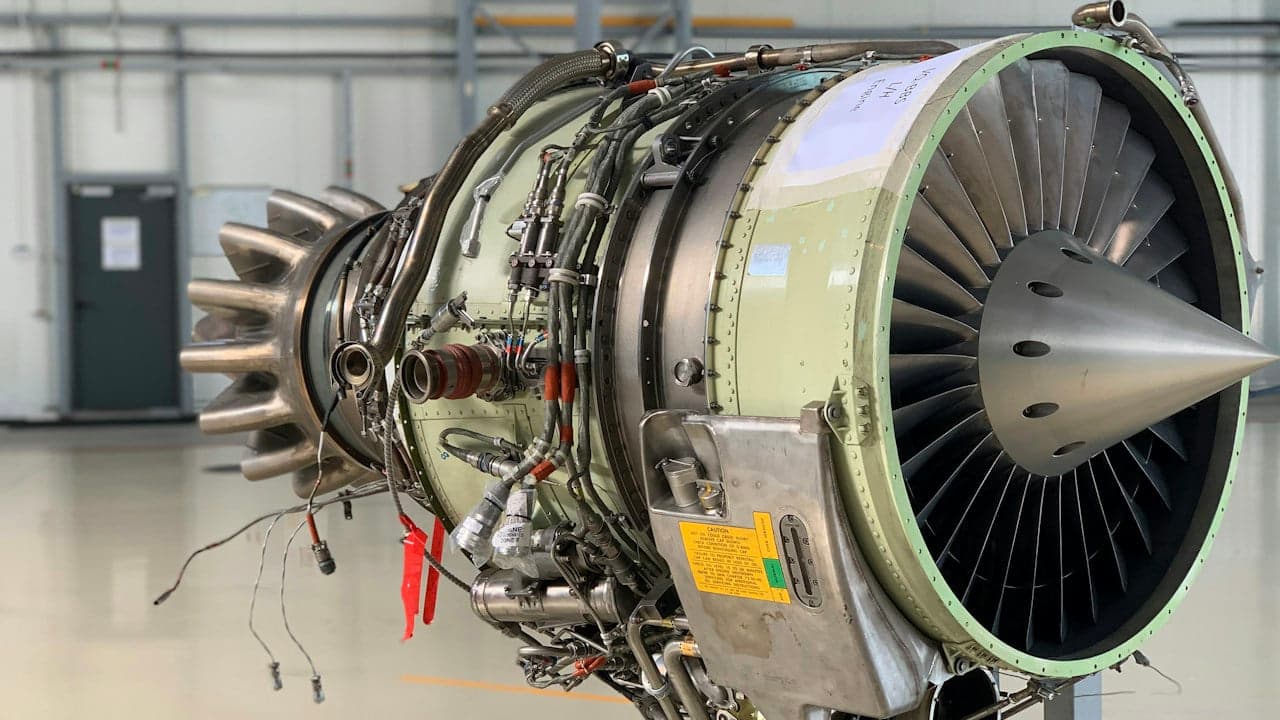
Colorado-based defense propulsion manufacturer Beehive Industries has conducted the first test of its Frenzy 6 engine prototype. The trial took place on September 23 at the company's headquarters, assessing a compact propulsion unit tailored for unmanned aerial systems and munitions. The demonstration marks a rapid transition from technical design to physical hardware.

Letizia Giugliano

Tech

EPFL Shrinks Ultra-Fast Blue Laser Onto a Photonic Chip

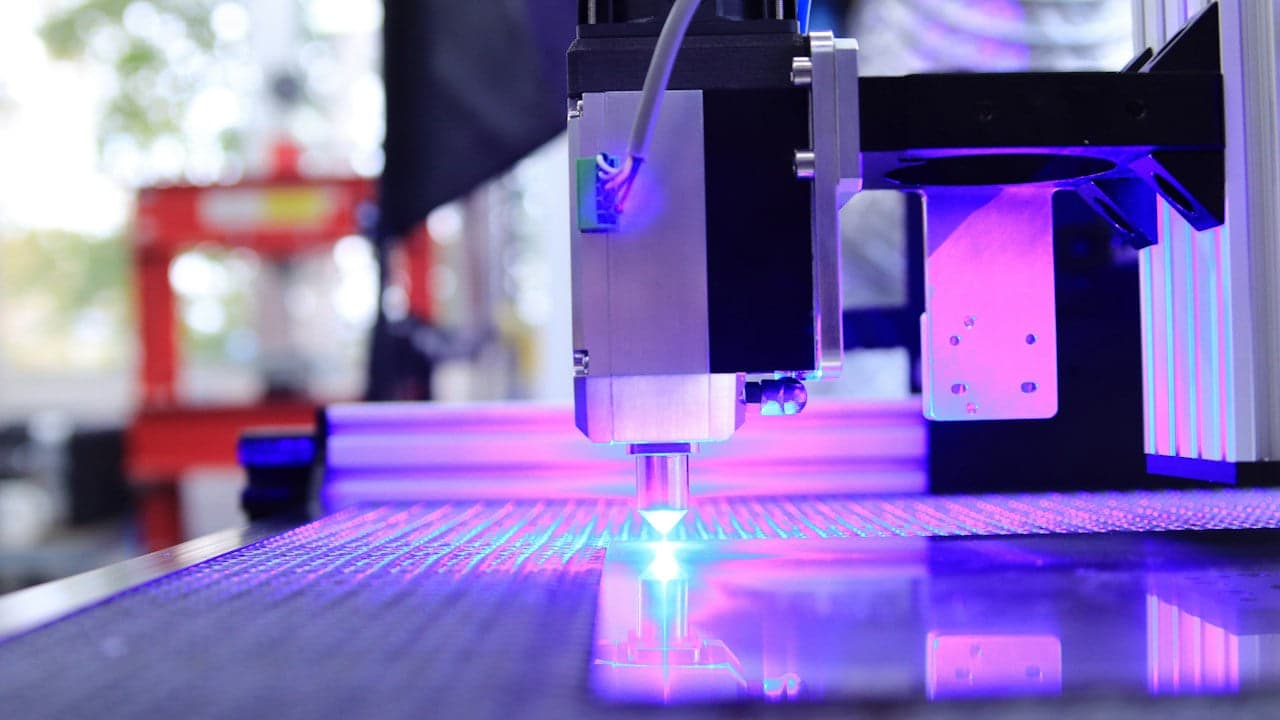
Engineers at EPFL in Switzerland have mounted a high-precision blue laser onto a miniature photonic chip, keeping frequency variation below 30 kilohertz while tuning rapidly. The compact invention sends optical signals through water and identifies airborne particles that standard infrared beams miss.

Letizia Giugliano

Tech

NUS Engineers Weave a Touchscreen Display Directly Into Garment Fabric

Engineers at the National University of Singapore have turned clothing fibers into an interactive display. Led by assistant professor Tural Khudiyev, the team integrated 54 electronic threads into a shirt sleeve to produce a touch-sensitive screen that plays video, registers finger presses and tracks body temperature.

Letizia Giugliano

Tech

Rockefeller University Engineers TrUDI Platform for Deep Brain Imaging

Biophysicists at Rockefeller University have developed a microscopy system that records neural activity deep within living brain tissue without requiring the surgical removal of overlying layers. The technical innovation, described in Nature Methods, boosts three-photon imaging efficiency by roughly 250 times while protecting delicate neural structures from heat damage.

Letizia Giugliano

Physics

Ultrathin Iridium Manganese Boosts Spintronic Signals in Kyushu Lab Test

Materials researchers at Kyushu University have shown that inserting an ultrathin layer of iridium manganese between a magnetic insulator and platinum amplifies spin signals. The hardware innovation, published on September 30, 2026, could assist the development of ultralow-power electronic devices that draw power directly from waste heat.

Letizia Giugliano

Archeology

UV Scans Reveal Calcite Varnish Protecting Chauvet Cave Art

A custom optical innovation tested inside Chauvet Cave in southeastern France has identified the natural mineral shield preserving some of humanity's oldest surviving artworks. Chemist Philippe Walter and a research team mapped thin layers of calcite that coated charcoal drawings after Paleolithic artists worked on the limestone walls about 37,000 years ago.

Letizia Giugliano

Mechanical Engineering

Laser Directed Energy Deposition for Military Aircraft Repairs

Rosebank Engineering, RMIT Centre for Additive Manufacturing, and Swinburne University of Technology have launched an additive manufacturing initiative to repair worn military aircraft components. Supported by the Additive Manufacturing Cooperative Research Centre, the alliance focuses on qualifying laser directed energy deposition to bypass long-lead-time overseas parts replacements. This engineering innovation aims to meet stringent aerospace structural benchmarks directly on the factory floor.

Letizia Giugliano

Biology

Kew Scientists Unmask False Lingzhi to End a 245-Year Mushroom Mystery

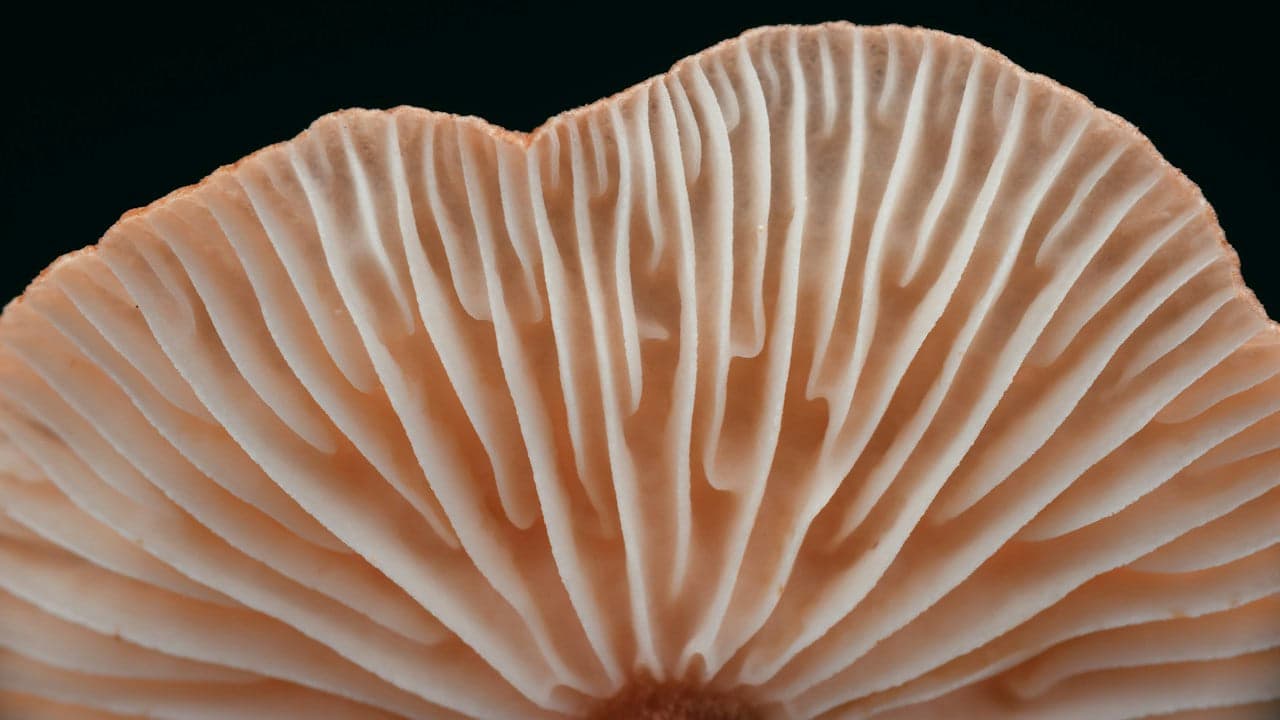
Researchers from the Royal Botanic Gardens, Kew, and international partners have resolved a 245-year-old taxonomic mix-up by distinguishing European bracket fungus Ganoderma lucidum from the East Asian medicinal species Ganoderma lingzhi. The scientific innovation, published in Plants, People, Planet in October 2026, relies on genomic evidence from a rediscovered London specimen to establish species boundaries. Clarifying this identity provides an evidence-based foundation to verify pharmaceutical quality and protect intellectual property across a £200 billion global market for medicinal fungi.

Letizia Giugliano

AI

OpenAI Models Generate Proofs in Mathematics, Computing and Quantum Physics

Research systems powered by artificial intelligence have generated formal mathematical proofs addressing long-standing conjectures in harmonic analysis, computational complexity, and quantum field theory. The results, announced by [Interesting Engineering](https://interestingengineering.com/ai-robotics/openai-proofs-math-computing-physics), have been formalized using computer-checked verification and handed over to independent mathematicians and physicists for peer assessment.

Letizia Giugliano

AI

OpenAI Reports Breakthroughs in Mathematics, Computer Science and Physics

OpenAI announced a series of automated discoveries in mathematics, computer science and theoretical physics on October 27, 2026. The releases expand upon earlier mathematical papers, introducing model-generated proofs that challenge long-standing foundational assumptions across scientific fields.

Letizia Giugliano

Medicine

Fraunhofer IDMT Develops Wearable trEEGrid Patch for 24-Hour EEG Monitoring

Researchers at the Fraunhofer Institute for Digital Media Technology IDMT have validated a flexible electrode patch capable of recording stable brain activity over a continuous 24-hour period. The study, published in the journal Sensors, demonstrates that the wearable system functions reliably during routine daytime tasks and natural sleep. This invention provides a practical method for long-term neurological monitoring in everyday environments.

Letizia Giugliano

Tech

A graphene device harvests ambient radiation to power battery-free sensors

Physicists and materials scientists from the United States have built a graphene-based device that harvests energy from ambient electromagnetic radiation to operate an ultra-low-power temperature sensor. The prototype can function continuously for at least 24 hours during a power outage without requiring chemical batteries.

Letizia Giugliano

Inventions

3D Printed Neural Implant Combines Brain Monitoring and Targeted Cooling

Scientists in Germany and the United Kingdom have developed a 3D-printed implant prototype that pairs brain activity recording with targeted cooling. Published in the journal Advanced Science, this biomedical invention targets drug-resistant focal epilepsy by combining electrical sensing and localized thermal suppression in a single miniature device.

Letizia Giugliano

Human Necessities

MIT Origami-Inspired Metal Design Enables Rapid Emergency Shelters

Researchers at MIT have developed an origami-inspired metal design capable of building strong, durable structures without relying on heavy welding. Disclosed on October 27, 2026, the structural innovation provides a practical and fast method for erecting emergency shelters in high-need situations. The approach addresses critical logistical bottlenecks often faced when deploying protective human infrastructure during humanitarian crises.

Letizia Giugliano

Physics

IBM Links Two Quantum Chips with Superconducting Cables

IBM has linked two quantum chips using superconducting cables, marking an essential technical step toward building larger computers. Reported on October 27, 2026, by Science (AAAS) – News, the setup connects quantum bits across separate processors. The hardware innovation offers a practical pathway toward modular quantum computing architectures.

Letizia Giugliano

Environment

Catalytic Membrane Uses Palladium and Hydrogen to Disarm PFAS

Researchers have developed a catalytic membrane that captures and neutralises per- and polyfluoroalkyl substances directly from water. The invention moves past standard filtration by splitting hydrogen gas into reactive atoms that strip fluorine from persistent pollutants.

Letizia Giugliano

Space

Sunrise-III Balloon Telescope Uncovers Solar Magnetic Web

An international team led by the National Astronomical Observatory of Japan has uncovered an intricate network of magnetic structures above calm solar regions. Carried into the stratosphere aboard the Sunrise-III balloon observatory in 2024, specialized instruments mapped previously unseen magnetic threads, offering fresh clues about how energy travels upward to heat the solar atmosphere.

Letizia Giugliano