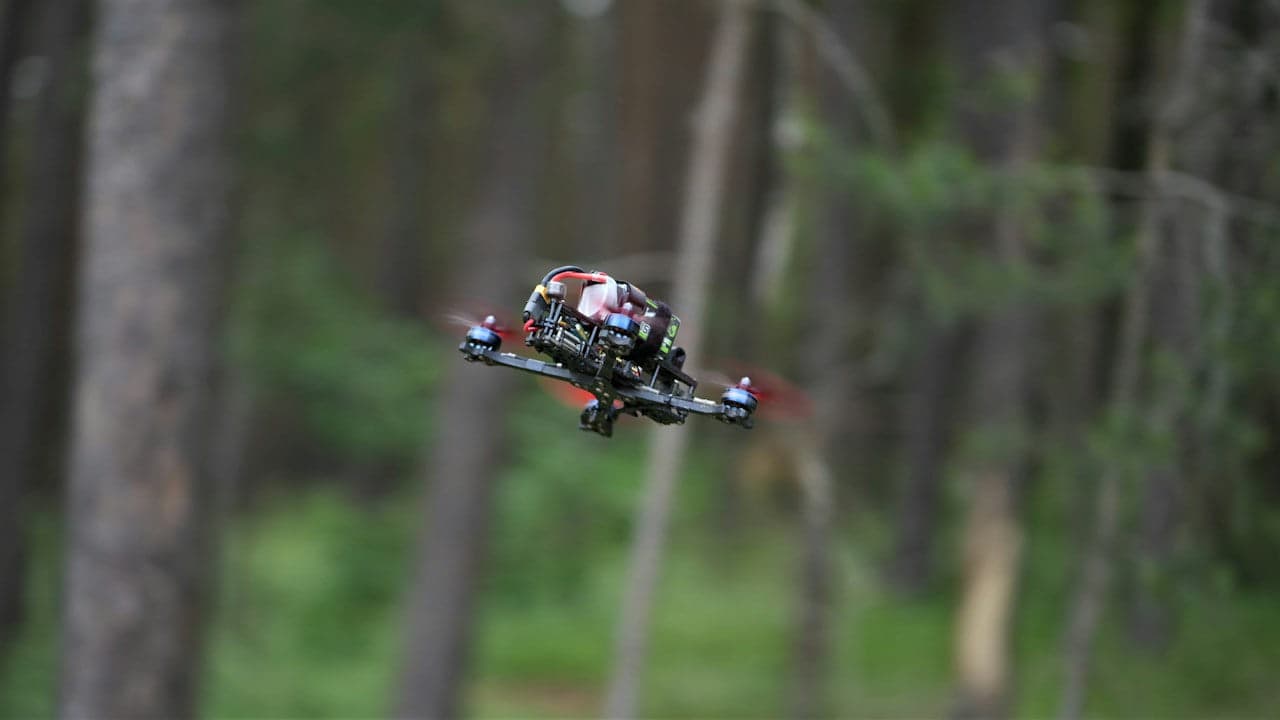
WiBotic Brings Patented Wireless Opportunity Charging to Autonomous Fleets
Co-founder Ben Waters explains how contact-free energy delivery keeps industrial robots, drones, and humanoids running.
By Giovanni Sapere
2 min readHuman-Edited, AI-Assisted
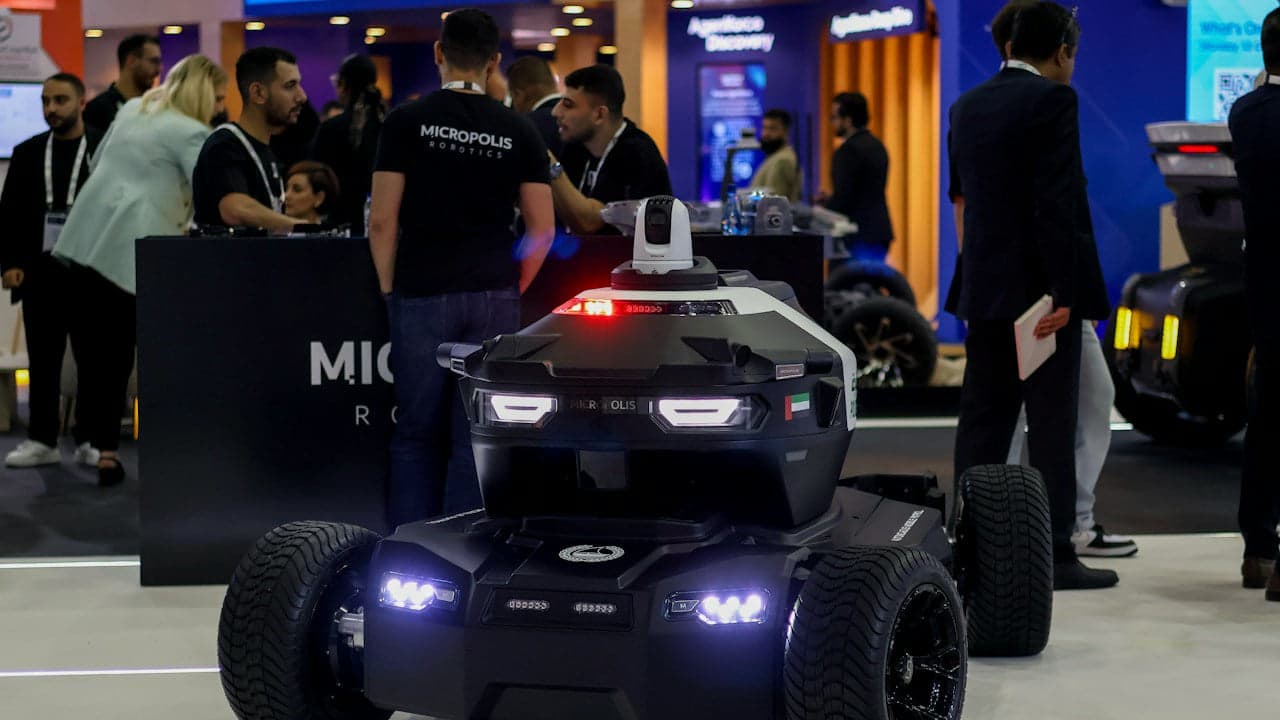
In expanding industrial automation, keeping mobile machinery powered without operational interruptions remains a critical operational hurdle. In an interview on [The Robot Report Podcast](https://www.therobotreport.com/why-opportunity-charging-is-winning-as-robot-fleets-scale/), WiBotic co-founder and chief executive officer Ben Waters discussed how wireless energy management is transforming commercial robotics. The company's approach enables opportunity charging, allowing autonomous units to top up power during routine task cycles.
Tackling Fleet Downtime Through Wireless Power
Industrial facilities increasingly rely on fleets of autonomous machines that require regular recharging in modern robotics. As highlighted by The Robot Report, the startup WiBotic develops wireless charging hardware alongside fleet-wide battery management software designed for mobile platforms of diverse sizes. Rather than pulling machines off active duty for dedicated plug-in periods, the company relies on opportunity charging, which lets platforms replenish their power reserves incrementally during pauses in their regular workflows.
Patented Technology for Autonomous Hardware
The foundation of the system is a patent-backed wireless transmission architecture that delivers power without exposed electrical contacts, protecting this critical invention and its intellectual property. According to The Robot Report, the technology is engineered to support autonomous mobile robots, aerial drones, automated floor scrubbers, and each emerging humanoid robot. Eliminating physical docking connections aims to reduce mechanical wear, improve return on investment, and enhance overall operational uptime across industrial deployments.
Academic Roots and Industrial Scale
Before co-founding the company, inventor Ben Waters developed foundational expertise in wireless transmission while completing his doctoral degree in electrical engineering at the University of Washington, where his research centered on wireless power technologies for implanted medical devices. Waters also holds an undergraduate degree in electrical engineering and physics from Columbia University. Discussing these developments on Episode 266 of the podcast, Waters explained that wireless infrastructure must scale seamlessly alongside robot fleets to fulfill the operational demands of modern automation environments, driving continuous innovation across the sector.
Read also on The Patent: Aurelius Mounts Archimedes Laser on American Rheinmetall Ox Robot · Optical Waveguides Turn Flexible Sheets into Dynamic Shape Sensors