Biology

Biology

Macaques Learn Germ Caution Following Viral Outbreak in Texas Study

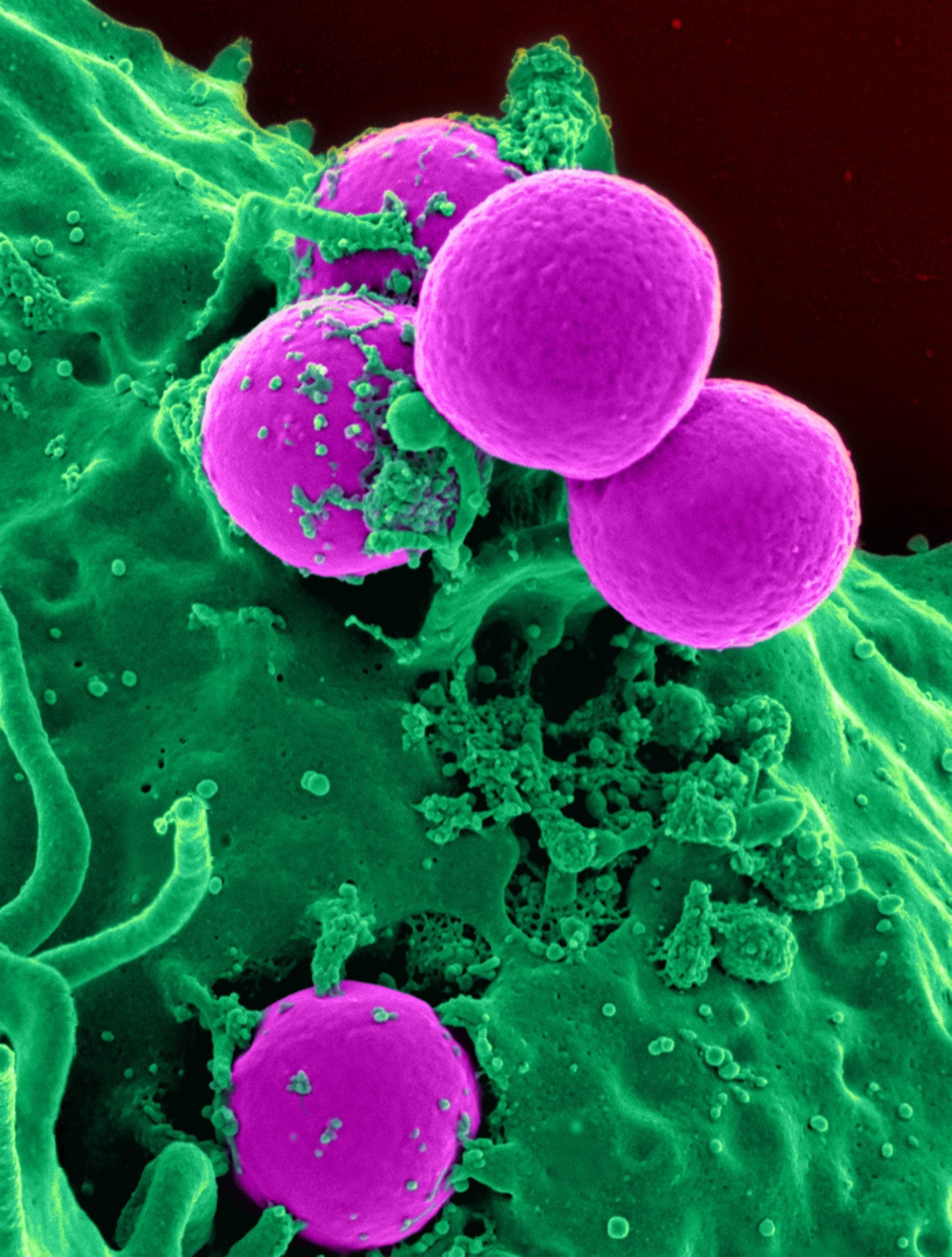
A scientific innovation in cognitive biology shows that Japanese macaques become significantly more cautious around potentially contaminated food after surviving a deadly disease epidemic. Researchers from the University of California San Diego discovered that this behavioral shift occurred across exposed groups regardless of whether individual monkeys had contracted the virus. Published in Royal Society Open Science, the study provides rare empirical evidence into the evolutionary origins of animal disgust and disease avoidance.

Giovanni SapereWith AI support · reviewed by Letizia Giugliano

Biology

Hand-Cranked Microfluidic Chip Tests Blood Type and Hematocrit in One Minute

A research team led by National Taiwan University has introduced a hand-powered microfluidic chip that tests blood group and hematocrit levels simultaneously in approximately one minute. The biological invention operates without electric power, relying on a manual centrifuge and a finger-prick sample to deliver rapid bedside diagnostics.

Giovanni SapereWith AI support · reviewed by Letizia Giugliano
Biology

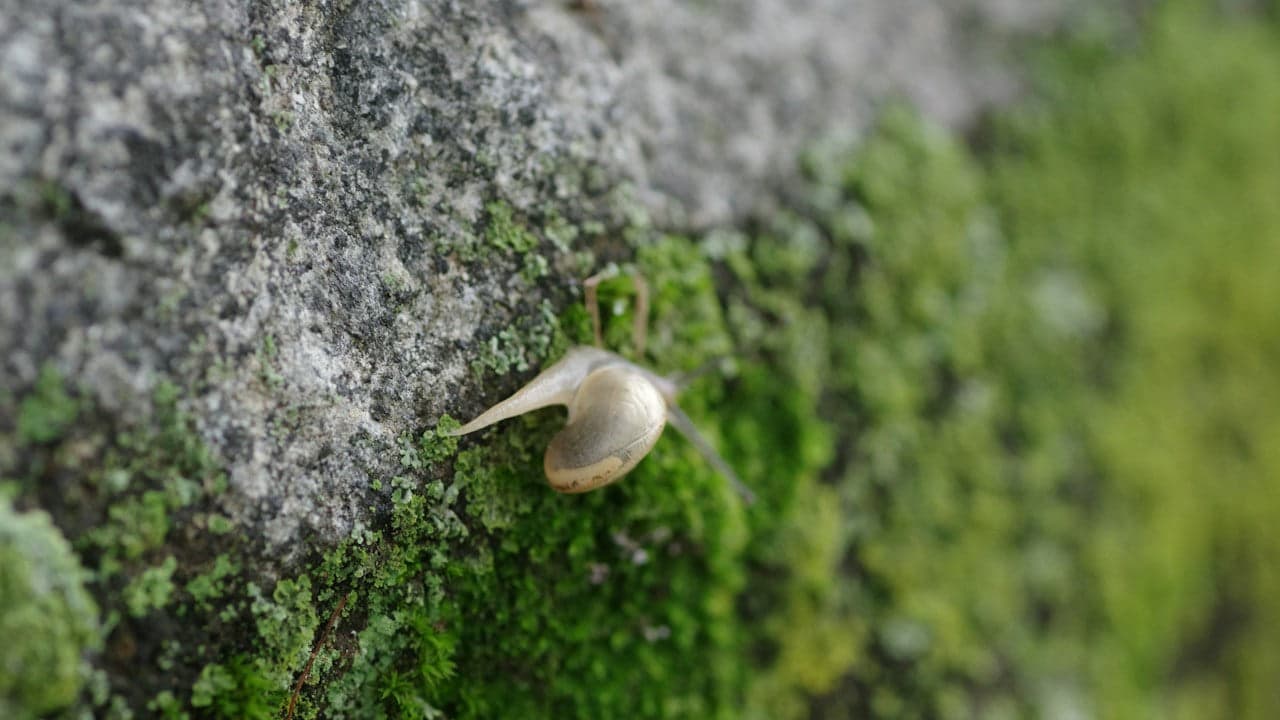
How a Myosin Gene Dictates Left or Right Coiling in Japanese Snail Shells

Researchers from the University of Nottingham and Tohoku University have identified the specific genetic mechanism determining whether snail shells coil to the left or to the right. The biological discovery links structural variations in the motor protein myosin to early embryonic cell twisting in wild Japanese snails. Published in October 2026, the findings explain how organisms establish fundamental left-right asymmetry without congenital developmental defects.

Letizia GiuglianoWith AI support · reviewed by Letizia Giugliano
Biology

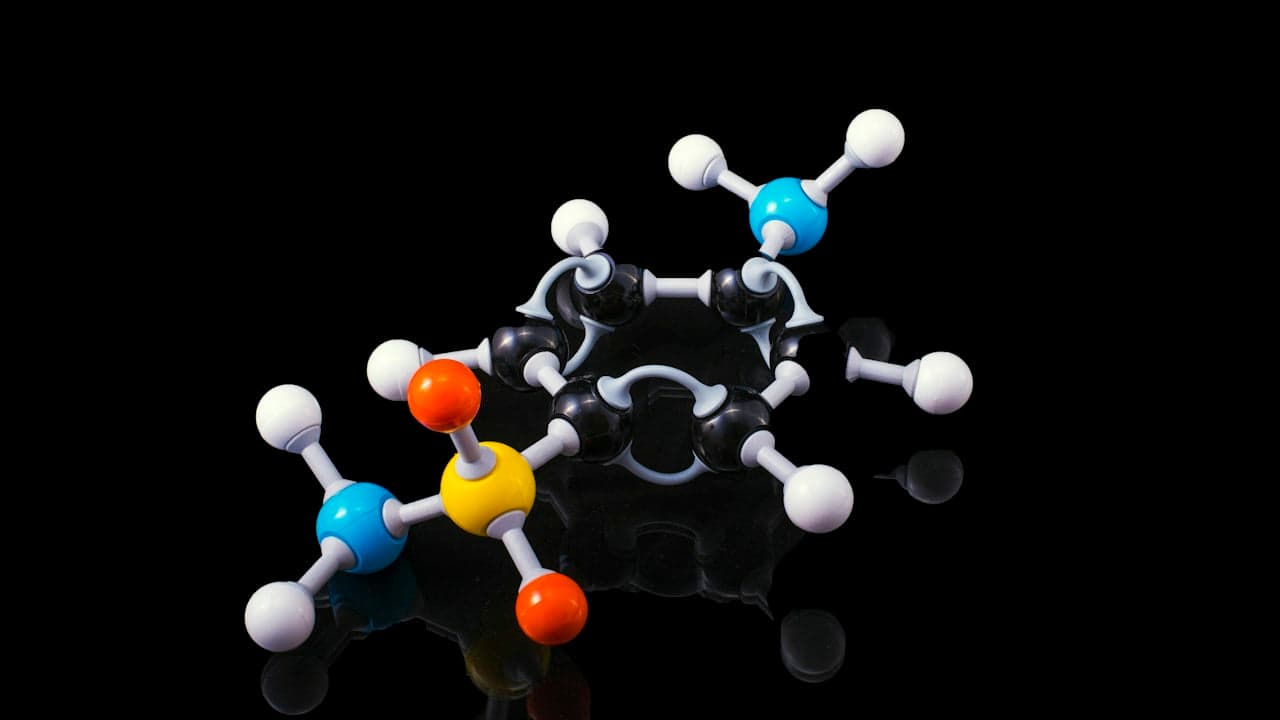
University of Miami Scientists Find Missing Evolutionary Link in Protein Shells

Researchers at the University of Miami have discovered a previously unknown group of viruses that bridge the gap between viral shells and cellular compartments. The computational innovation, detailed in Nature Communications on October 15, 2026, overturns long-standing assumptions about how biological nanostructures evolved to package genetic code and metabolic machinery.

Giovanni SapereWith AI support · reviewed by Letizia Giugliano
Biology

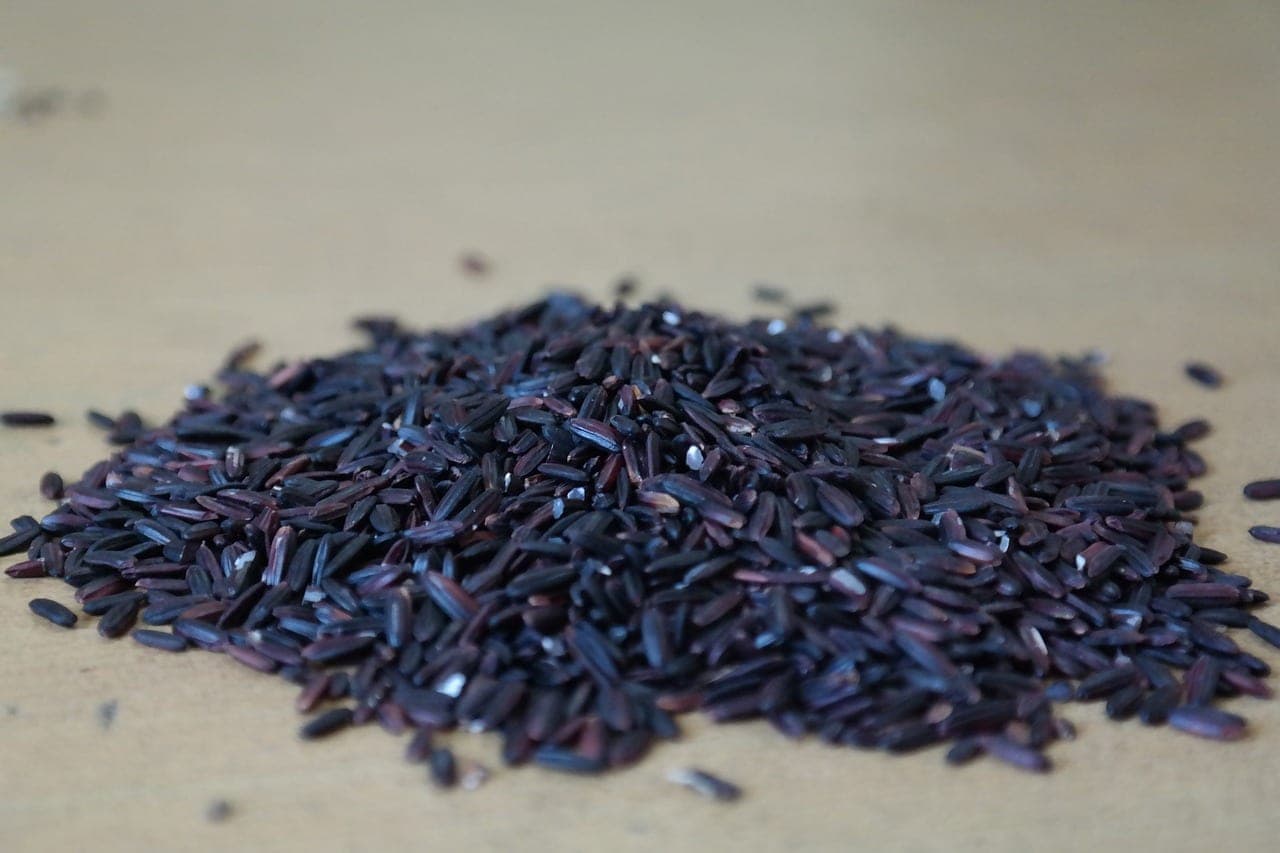
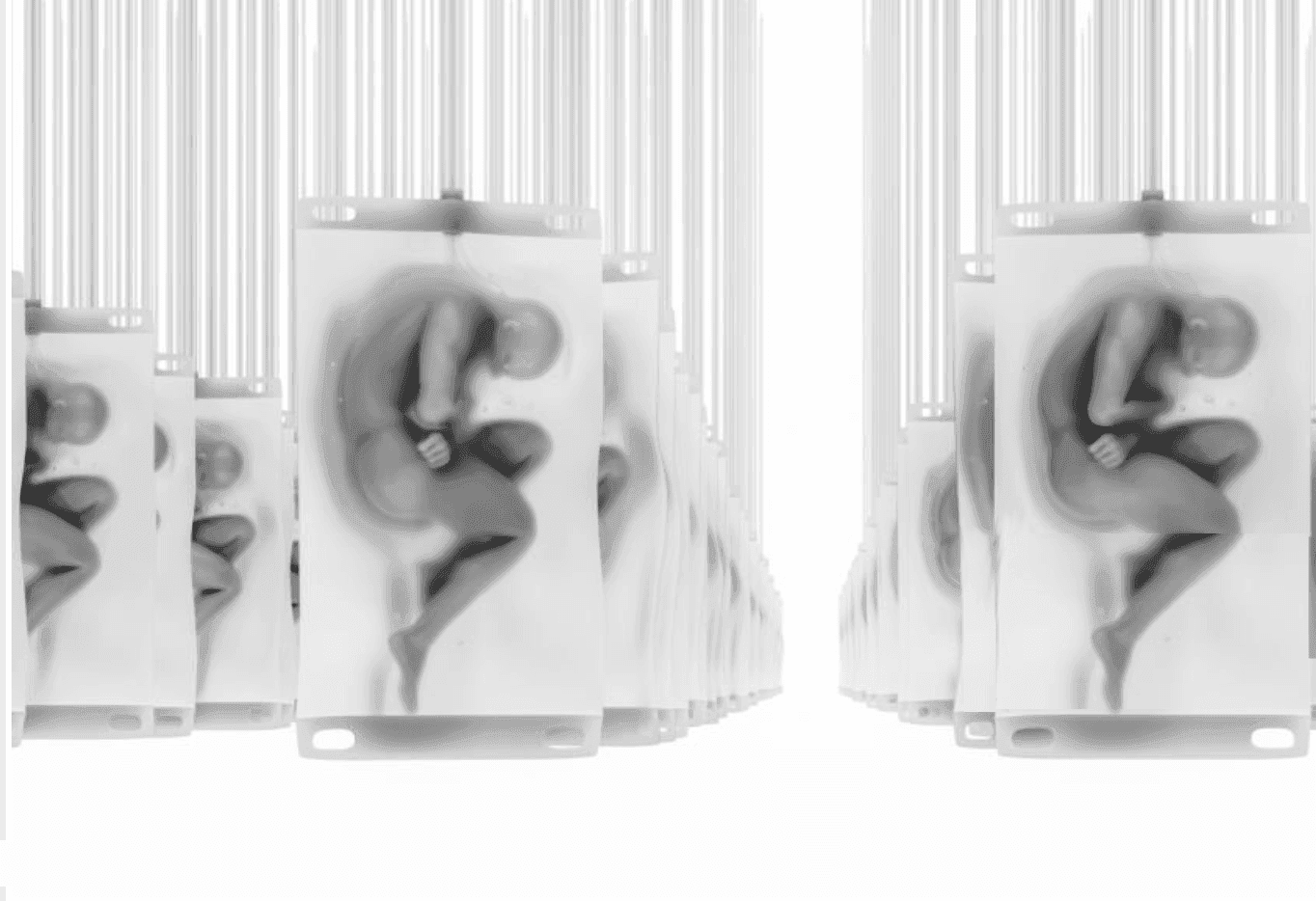
ACID – BASE pH indicator from Black rice (Oryza sativa L.) waste water

Rice is a staple food mostly can be found in Asia. We usually eat the common white rice that is high in carbohydrate and taste plain but increase in sweetness as we chewed it more.However, have you ever encounter black rice that will release purplish-reddish colour once we soaked them into…

editore

Biology

Innovative antibacterial treatment for metal surfaces

Researchers at Pudrue University developed an antimicrobial peptide-based treatment for metal surfaces that targets the bacterial population The focus on cleanliness and sanitation today is a hotter topic than ever before. The cleanliness of the environments where food is produced is fundamental to…

Mario Vincenzo La Rocca

Biology

Here’s the new Kevlar-like hard and fireproof fiber

Harvard University created a new material as resistant as Kevlar but with a flame resistance 20 times higher Kevlar and Twaron are among the most famous materials for their mechanical strength combined with low weight. However, the increase in physical properties often leads to an unwanted increase…

Mario Vincenzo La Rocca

Biology

Biosynthesis of silver nanoparticles by Leishmania tropica

Biosynthesis and characterizations of nanoparticles have become an important branch of nanotechnology. A novel biosynthesis route for Silver Nanoparticles (Ag-NPs) was attempted in the present study using Leishmania tropica the causative agent of cutaneous leishmaniasis in different countries,…

editore