A 3D-printed robotic hand built with servos and steel rods
The PHD-Hand replaces artificial tendons with a flexure hinge and a 0.6 mm steel rod in each finger, and needs 13 parts per digit instead of 27 or more.
By Giovanni Sapere
3 min read
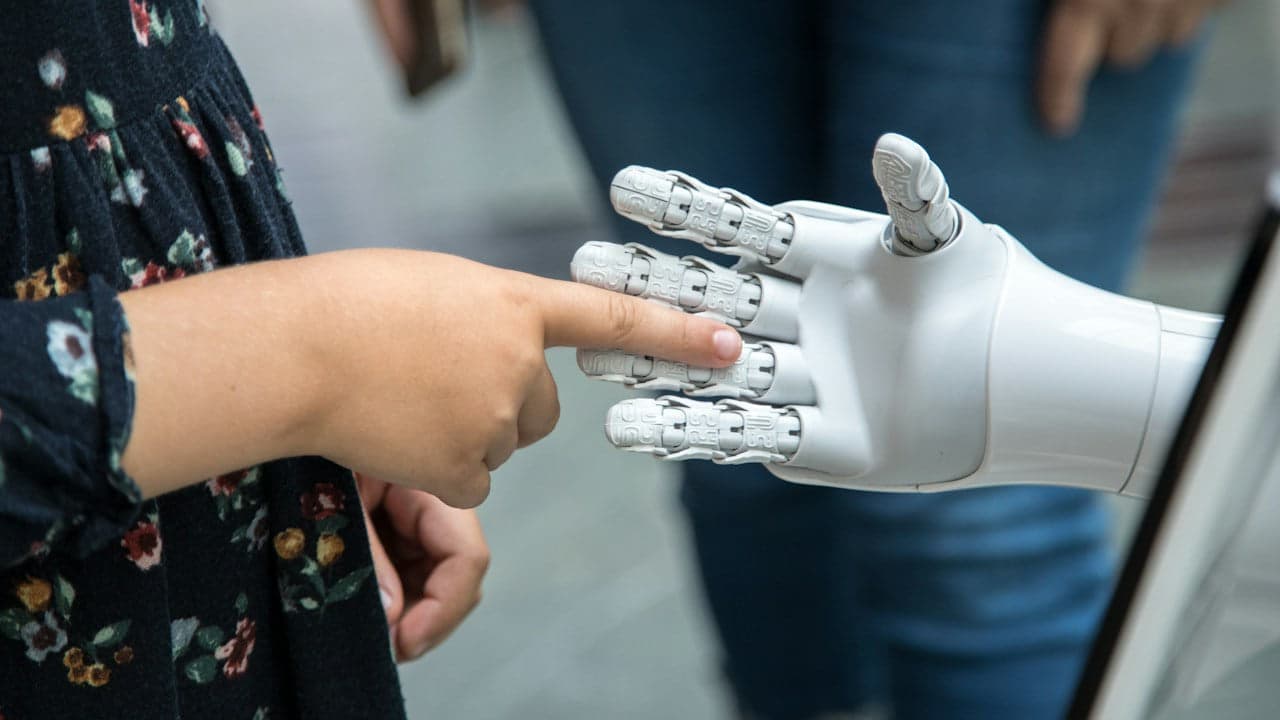
A research team has designed a human-sized robotic hand, called PHD-Hand, that can be built on a basic 3D printer with hobby servos and off-the-shelf hardware. Each finger uses a printed flexure hinge and a thin stainless steel rod in place of the artificial tendons common in other hands. In about 200 hours of testing the prototype had two mechanical failures, both broken spring steel drive rods.
Thirteen parts per finger instead of 27
A single digit of the PHD-Hand needs as few as 13 major mechanical parts, excluding actuators and sensors. Some competing designs use 27 or more. The hand is human-sized and its makers say it can be assembled from printed components, hobby servos and hardware bought off the shelf.
That part count is the argument. Capable robotic hands are expensive to manufacture and demand more maintenance than a robot helping around a house would justify. Fewer moving pieces attacks both costs at once, and it puts the mechanism within reach of people who own a printer. The design was reported by Hackster.io on 25 November 2026.
 Photo: moniek van rosse / Unsplash
A hinge shaped like cable strain relief
Many robotic hands copy human anatomy: motors pull on artificial tendons that run through the fingers to the joints. Those tendons stretch, fray and break. Rigid linkages remove that weakness, but squeezing all the needed parts into a human-sized finger is close to impossible.
Read also on The Patent: Dr. Kun Dániel Builds an AI-Guided Lockpicking Robot · Mural 2.0: a pen plotter that draws on walls from a ceiling anchor · Firmware turns the M5 Cardputer into a synth, WiFi scanner and presence sensor · Researchers turn ordinary 3D printers into automated circuit assemblers
The team borrowed a shape from electrical cable connectors, where flexible strain relief structures protect a wire from bending damage. A printed flexure hinge, meaning a hinge that bends rather than turning on a pin, sits at the base of each digit. It lets the digit tilt in two directions and blocks axial rotation, which would twist the finger out of position.
Three servos pull each digit
A 0.6-millimeter-thick stainless spring steel rod runs through the centre of the hinge and drives the two joints above it. Each digit is actuated by three miniature hobby RC servos: two rigid drive rods control the base joint, while the flexible rod works the upper joints.
Those upper joints are mechanically coupled, so they curl together the way a human finger does when it closes. Coupling also removes the need for a separate actuator at every knuckle, which is where much of the part count in tendon-driven hands comes from.
Two broken rods in about 200 hours
The prototype ran for roughly 200 hours of testing with two mechanical failures, both of them broken spring steel drive rods. The group says more rigorous durability testing is still needed, so the run is an encouraging early signal rather than a proven service life.
The weak point is therefore identified: the thin steel rod that carries force to the upper joints. Nothing in the account suggests the printed hinge itself failed during the tests.
An AI-written interface and a planned open source release
The researchers used an AI assistant to build a graphical control interface that talks to a Pololu Mini Maestro 18 servo controller. The same assistant generated a sequence of movements that rotated a cube inside the palm of the hand. A person set the first grasp; after that the system completed the motion sequence on its own.
The group now plans to refine the mechanical design and prepare an open source release. That would place the hand in the same workshop culture as the mural plotter (the mural v2 among them) or a cardputer synthesizer: hardware people assemble at home and then modify. No release date has been given.
The published account names no patent, no patent application and no applicant for the mechanism. Neel Adwani is credited for the photograph of the hand, and the captions attribute the mechanism to N. Adwani and colleagues.
Human-Edited, AI-Assisted