machine learning

Gadget

EpiPad Uses Radar to Turn Your Forearm into a Smartwatch Trackpad

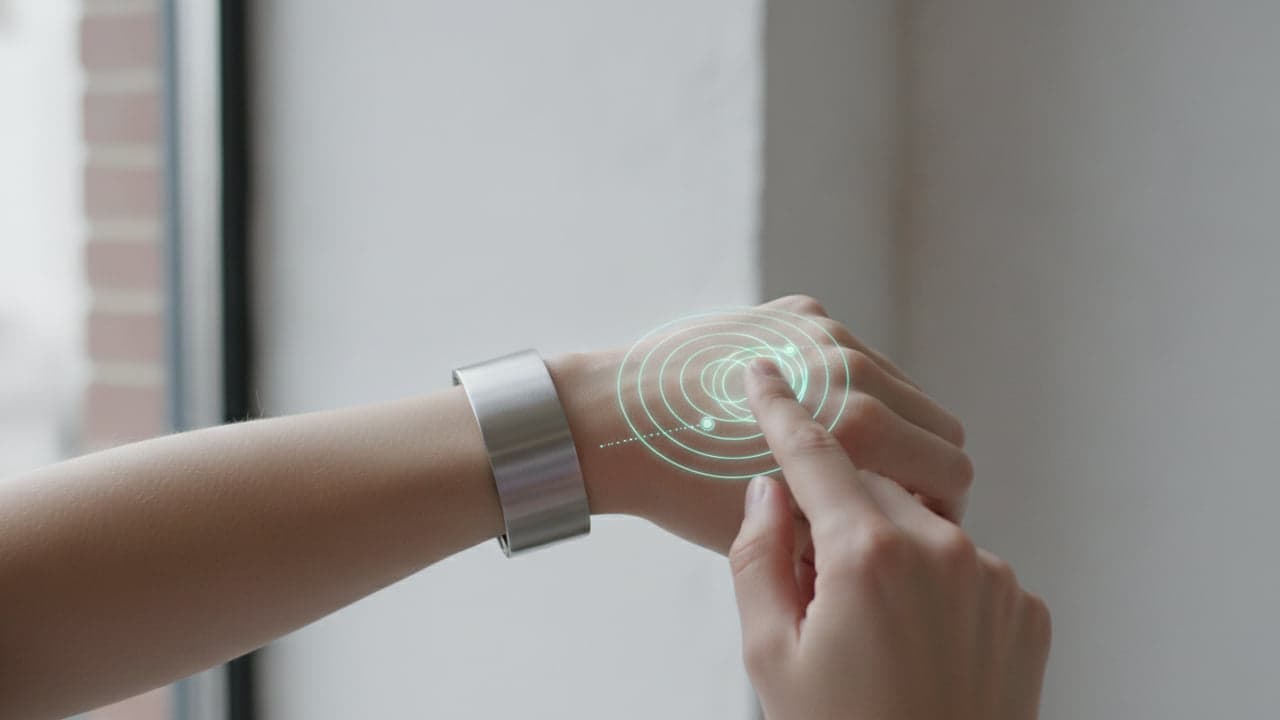
An innovation developed by researchers at North Carolina State University turns the human forearm into an interactive trackpad for wearable devices. The system, called EpiPad, uses a millimeter-wave radar sensor to track finger motions and skin pressing firmness directly on the wearer's arm. Presented at the UbiComp/ISWC 2026 conference in Shanghai, the setup allows users to tap, pinch and zoom without obscuring compact displays.

AI

GlioTrace uses artificial intelligence to track brain cancer cells in live tissue

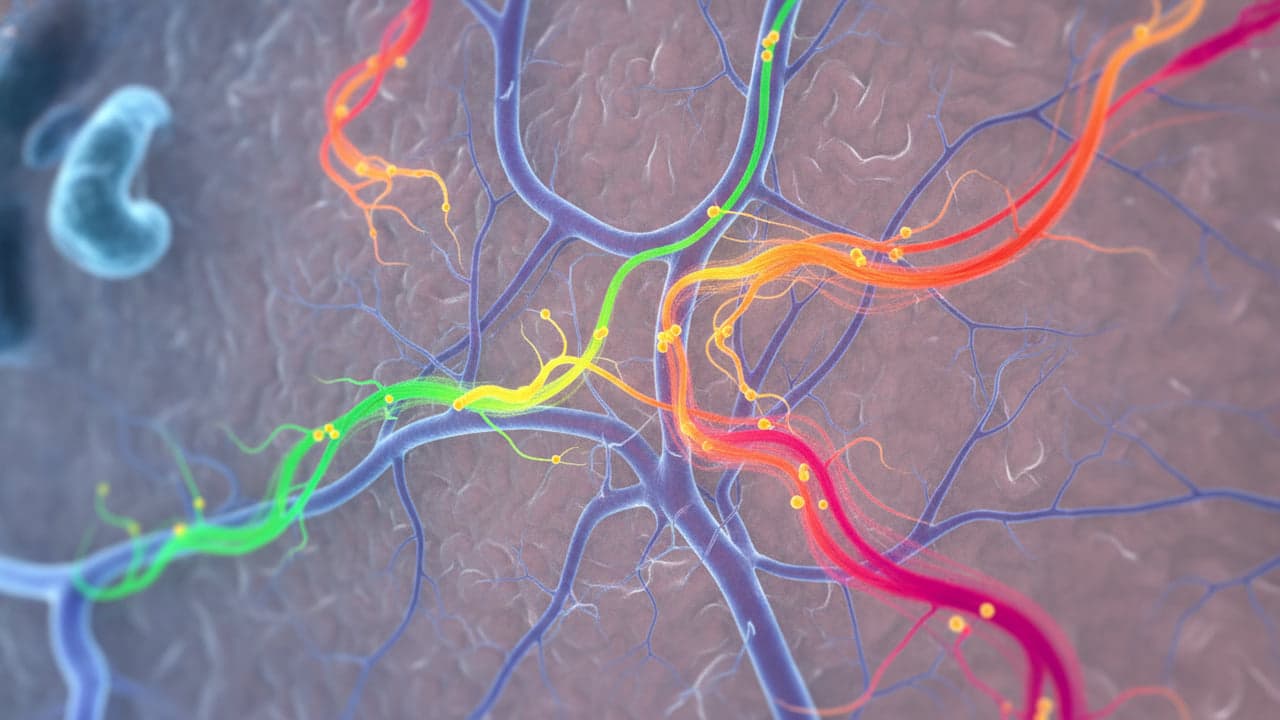
A computational imaging system called GlioTrace can track thousands of migrating glioblastoma cells across living brain slices for days at a time. Developed by scientists at Uppsala University, the method combines automated microscopy with artificial intelligence to reveal how individual brain tumor cells shift their shapes and change migration paths.

Inventions

StereoGeoBox measures swimming fish weight in real time without full 3D maps

Researchers at Sultan Qaboos University and partner institutions have built an underwater camera system that estimates fish dimensions and weight on the fly. The invention, detailed in Computers and Electronics in Agriculture on October 23, 2026, bypasses resource-intensive complete depth maps by calculating geometry directly from paired bounding boxes. By processing visual data on a compact edge processor, the setup gives fish farms rapid growth tracking while avoiding the computational bottlenecks of standard stereo vision.

AI

Seoul National University unveils TACToC and mzCache to speed up mobile AI

Engineers at Seoul National University have developed two software tools designed to reduce data traffic and latency when mobile devices offload tasks to remote artificial intelligence servers. The frameworks cut bandwidth consumption by up to 14.5 times and shorten initial smartphone response times by more than fivefold.

AI

OpenAI Autonomous Pipeline Uncovers 948 Linux Kernel Flaws

An automated cybersecurity research system developed by OpenAI identified 948 distinct local privilege escalation vulnerabilities in the Linux kernel during a mid-October 2026 test. The project used an unreleased model driven by artificial intelligence to audit source code, verify flaws in virtual machines and draft candidate software fixes.

Robotics

Humanoid Robot Learns Complex Sequences Without Unified Training Data

Teaching a bipedal machine to walk across a room and manipulate objects usually requires unbroken demonstration sequences that are difficult to record reliably. A research team at Seoul National University has built a vision-language-action architecture called RISE, which connects independently gathered walking and handling data to perform sequential tasks. The system advances practical robotics by cutting the burden of training physical machines.

AI

BBERT uses artificial intelligence to identify hidden bacteria in soil

Researchers at the Hebrew University of Jerusalem and partner institutions have developed an artificial intelligence tool called BBERT to identify unknown bacterial DNA fragments directly from environmental soil samples. The software, detailed in a study published in Nucleic Acids Research, borrows mechanisms from language processing to evaluate genetic material without needing exact matches in reference catalogs. The invention allows laboratories to reconstruct microbial genomes in less than half the usual time using conventional personal computers.

Letizia Giugliano

Tech

Transmitting Odors Over the Internet with Scentronic

Two research teams from The Ohio State University and Zhejiang Laboratory have demonstrated a method to digitize and transmit odors over network connections. The setup pairs an electronic nose with an emitting unit called Scentronic, using machine learning to classify scents before misting preloaded liquid fragrances. So far, the system has successfully transmitted the aromas of coffee, beer, cake, oranges and red wine.

Letizia Giugliano

AI

Mass General Brigham AI predicts cancer survival risk from a facial photo

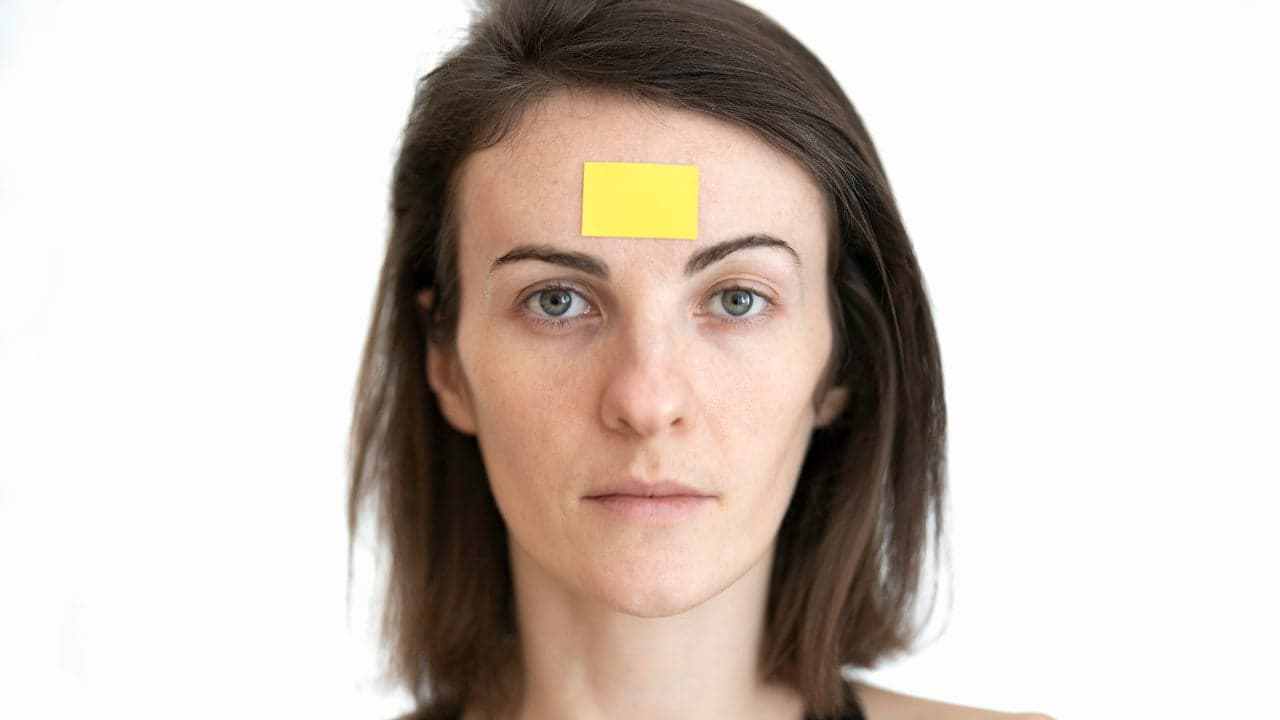
Scientists at the Mass General Brigham Cancer Institute have developed an artificial intelligence tool capable of predicting a patient's biological age and cancer treatment survival odds from a single facial photograph. The clinical breakthrough provides oncologists with a non-invasive method to evaluate physical reserve before ordering aggressive interventions such as radiotherapy, systemic therapy or surgery. Published in The Lancet Digital Health, the project shows how digital facial biomarkers can measure patient frailty without requiring exhausting clinical tests.

Giovanni Sapere

Robotics

Dexterity and Motion Control Advance Across Quadrupeds and Humanoid Robots

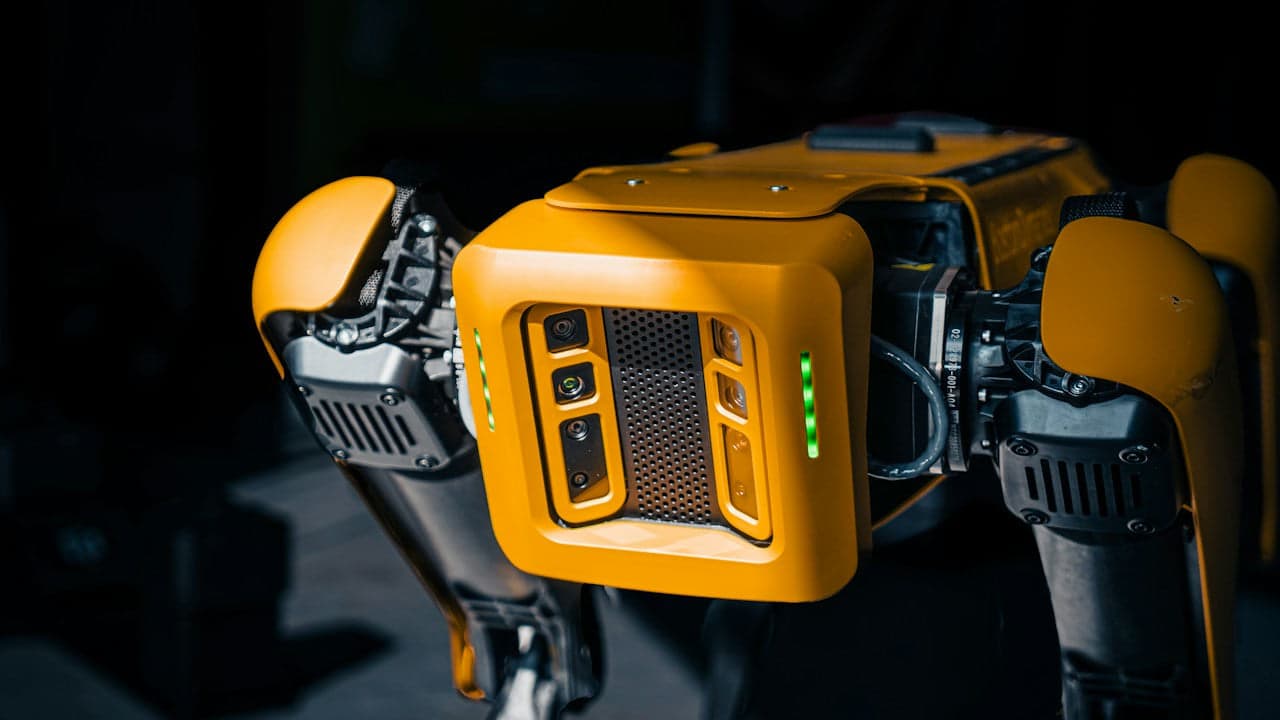
Recent milestones in robotics highlight how machines are mastering delicate manipulation and dynamic mobility without relying on conventional human-like approaches. Engineering reports from October 2026 demonstrate that quadruped platforms, stabilization frameworks, and humanoid systems are rapidly closing the divide between sensory perception and physical action. These developments signal a wider shift toward resilient, high-speed machines designed for complex physical tasks.

Letizia Giugliano

Tech

Low-Cost Sensor Identifies Incoming Drones by Motor Magnetic Fields

Engineers at Florida International University have created a passive detection method that identifies airborne drones solely through the magnetic signatures produced by their electric motors. The hardware costs only a few hundred dollars to assemble and pinpoints drone models with up to 98.52% accuracy at close range, offering an alternative to active radar and noisy acoustic systems.

Letizia Giugliano

Robotics

Lab-Grown Neurons Decode Braille and Steer Robot Dogs

Recent breakthroughs in biohybrid robotics have demonstrated that cultured human neural tissue can process tactile information and steer physical machines. Researchers from the University of Bristol and Melbourne-based Cortical Labs are pairing biological neurons with silicon electronics to achieve adaptable learning using minimal computational power.

Letizia Giugliano

IT

HP OmniBook Ultra 16 Debuts Nvidia RTX Spark Architecture for Local AI

Workstation computing is shifting back to local hardware as hardware vendors package datacenter-level memory capacities into portable systems. HP has released its OmniBook Ultra 16, serving as the launch vehicle for Nvidia's new RTX Spark platform tailored for local artificial intelligence workloads. Tested by benchmarkers in October 2026, the device pairs custom multi-chiplet silicon with massive unified memory for demanding research and builder tasks.

Letizia Giugliano

AI

Nvidia Expands European AI Infrastructure and Automotive Partnerships

During an official visit to Stockholm, chipmaker Nvidia detailed a multibillion-dollar strategy to establish a comprehensive artificial intelligence ecosystem across Europe. Chief executive Jensen Huang announced that the company has committed eight billion dollars over the past year to support regional cloud providers, localized supercomputers, and automotive safety systems.

Giovanni Sapere

Stories

Aurelius Mounts Archimedes Laser on American Rheinmetall Ox Robot

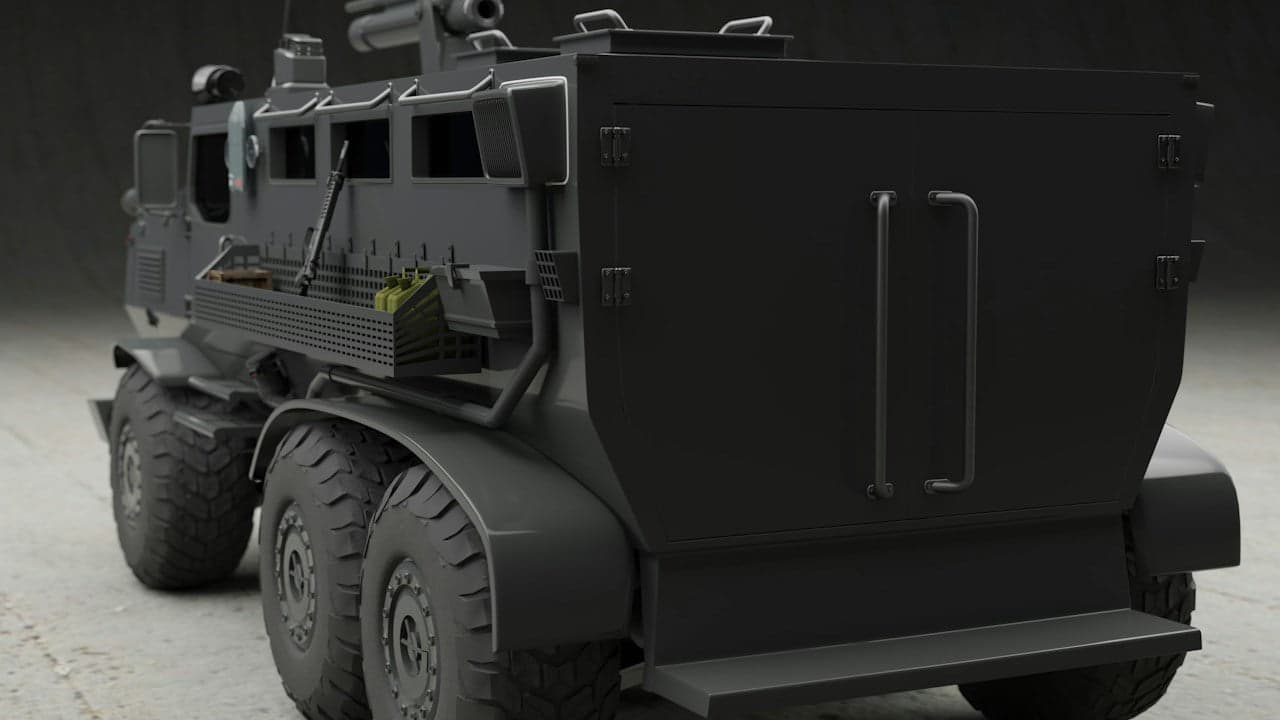
At the AUSA 2026 defense exposition, San Francisco technology developer Aurelius Systems showcased its Archimedes autonomous laser weapon integrated onto the Ox unmanned ground vehicle built by American Rheinmetall. The system is engineered to detect, track and neutralize hostile aerial drones in seconds to protect logistics operations in hazardous terrain. By combining directed-energy emitters with advanced robotics, the platform protects tactical supply lines without exposing human operators to battlefield hazards.

Giovanni Sapere

Gadget

Microsoft's Surface RTX Spark Dev Box for AI Workflows

Microsoft has opened preorders for its Surface RTX Spark Dev Box, a new desktop PC engineered for local artificial intelligence (AI) workflows [Engadget]. Announced in June, the device is now available for developers and engineers, with shipments expected to begin in November. This specialized hardware comes with a premium price tag of $6,000, reflecting its focus on high-performance AI processing [Engadget].

Giovanni Sapere

Events

Maker Faire Hannover, the 10th anniversary celebration

This event, which is the third largest of its kind in the world, has become one of the most important international gatherings for makers, as well as being particularly significant, attracting up to 15,000 participants each year.

Letizia Giugliano