Off-the-shelf CAR natural killer cells enter lymphoma trial in South Africa
The QUILT-106 phase 1 trial tests pre-manufactured donor cells targeting CD19 to lower the hurdles of blood cancer immunotherapy
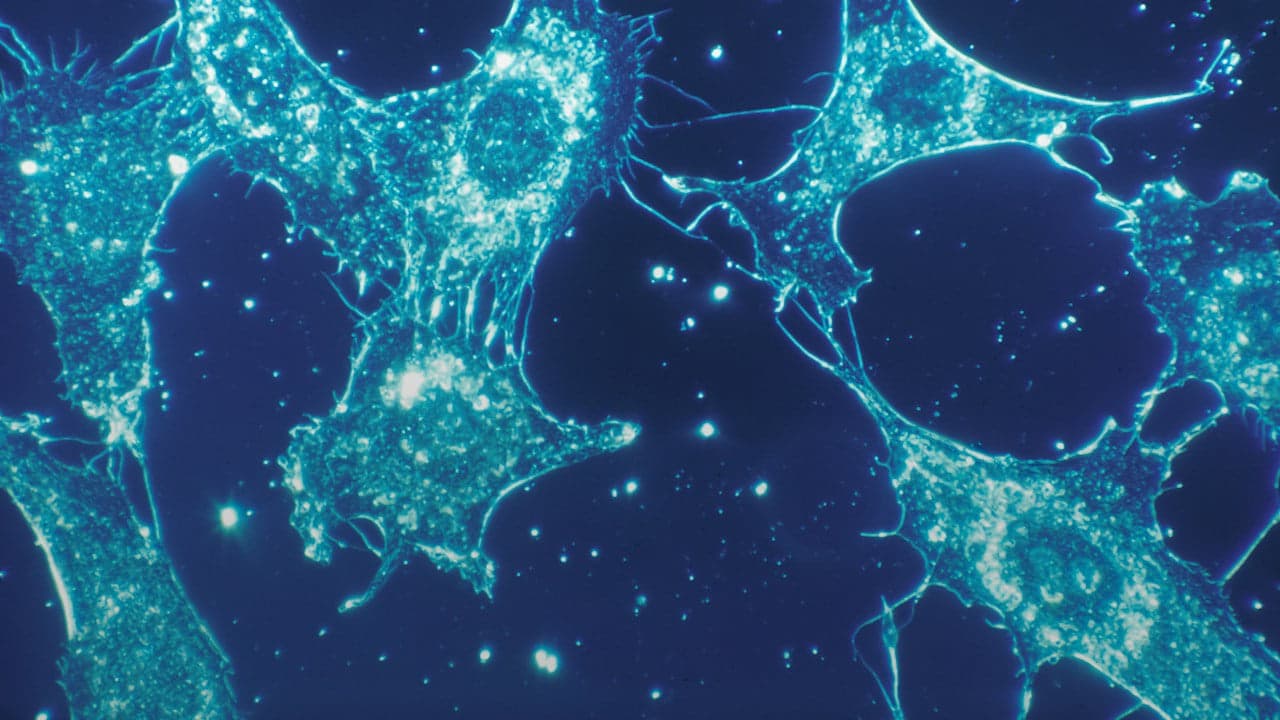
Clinical researchers in Johannesburg are evaluating donor-derived natural killer cells engineered to treat resistant B-cell non-Hodgkin lymphoma. The phase 1 study, named QUILT-106, tests whether cell lines grown in a laboratory can bypass the complex manufacturing required for individualized autologous therapies. This medical innovation could broaden access to cellular immunotherapies across regions where conventional personalized treatments remain difficult to deliver.
Targeting lymphoma with engineered donor cells
The QUILT-106 study focuses on patients with selected B-cell non-Hodgkin lymphomas that have returned or stopped responding to standard treatments, according to MedicalXpress. Marking a significant biomedical innovation, instead of collecting and re-engineering a patient's own white blood cells, the trial evaluates genetically engineered natural killer (NK) cells produced from a shared, established laboratory cell line. These cells carry a chimeric antigen receptor (CAR) designed to bind to CD19, a surface protein present on targeted B cells. In the trial, the cell product is administered either on its own or alongside rituximab, an antibody treatment directed at the CD20 protein.
“Some patients didn't respond, and other patients responded incredibly well and they went into remission very quickly.”
— Dr. Jackie Thomson, clinical hematologist at Wits Donald Gordon Medical Center
How off-the-shelf cells differ from autologous therapies
Conventional CAR-T treatments rely on an autologous process: clinicians extract a patient's own T cells, modify their genetic code in a specialized laboratory, expand the population, and infuse them back into the body, as detailed by MedicalXpress. That sequence requires a dedicated production run for every individual. In contrast, the engineered cell product in QUILT-106 is manufactured abroad from an existing cell bank and imported for clinical delivery. Dr. Jackie Thomson, a clinical hematologist and stem cell transplant specialist at Wits Donald Gordon Medical Center (WDGMC), noted that while early patient outcomes have varied, some individuals achieved remission very quickly. Thomson explained that producing therapies from shared donor lines could simplify supply chains and reduce costs over the long run.
Specialized infrastructure and training in Johannesburg
Delivering advanced cell therapies requires strict clinical controls and specialized staff. South Africa recorded 2,342 new cases of non-Hodgkin lymphoma and 1,428 cases of leukemia in 2024, according to National Cancer Registry data reported by MedicalXpress. Thomson established the transplant unit at WDGMC in 2019, and in 2025 the center achieved accreditation from JACIE, an international certification body that audits laboratory practice, clinical care, and quality systems. Specialists at the hospital's research arm, the Donald Gordon Medical Institute, train residents and fellows to manage cellular viability, monitor immune reconstitution, and address complications such as graft-versus-host disease.
What researchers are tracking next
Long-term follow-up remains necessary to determine the durability of patient remissions and identify which patient profiles benefit most from the off-the-shelf treatment, reports MedicalXpress. In parallel, clinical teams face workforce constraints highlighted in a 2025 South African Medical Journal report by the BloodSA Cell and Gene Therapy working party, which cited funded posts, specialized facilities, and training as national priorities. Investigators will continue monitoring QUILT-106 participants to evaluate safety profiles, combination effects with rituximab, and the therapeutic durability of the underlying invention.
Read also on The Patent: Silver Diamine Fluoride Halts Childhood Cavities Without Drilling · Personalized mRNA Melanoma Vaccine Cuts Recurrence Risk by 42%