Medicine

Medicine

From Prototype to Deployment: The Regulatory and Engineering Barriers in Health Innovation

Navigating the pathway from laboratory concept to working deployment presents significant friction for healthcare and technology creators. On October 21, 2026, an editorial analysis published by Interesting Engineering outlined how emerging technical work in health and engineering often stumbles not on theoretical merit, but on integration, regulation, and supply chain constraints. Addressing these friction points is essential for every inventor seeking to move biomedical designs into standard clinical practice.

Letizia Giugliano
Medicine

Personalized mRNA Melanoma Vaccine Cuts Recurrence Risk by 42%

In an international Phase III trial, adding the personalized therapeutic vaccine intismeran to pembrolizumab immunotherapy reduced the risk of recurrence or death by 42% in high-risk melanoma patients after surgery. Presented at the ESMO Congress 2026, the findings establish a new therapeutic approach combining tailored neoantigen targeting with immune checkpoint blockade. This medical innovation offers post-surgical protection for patients facing high chances of cancer relapse.

Giovanni Sapere

Medicine

UNC Researchers Uncover Protein Pathway Shielding Dormant HIV

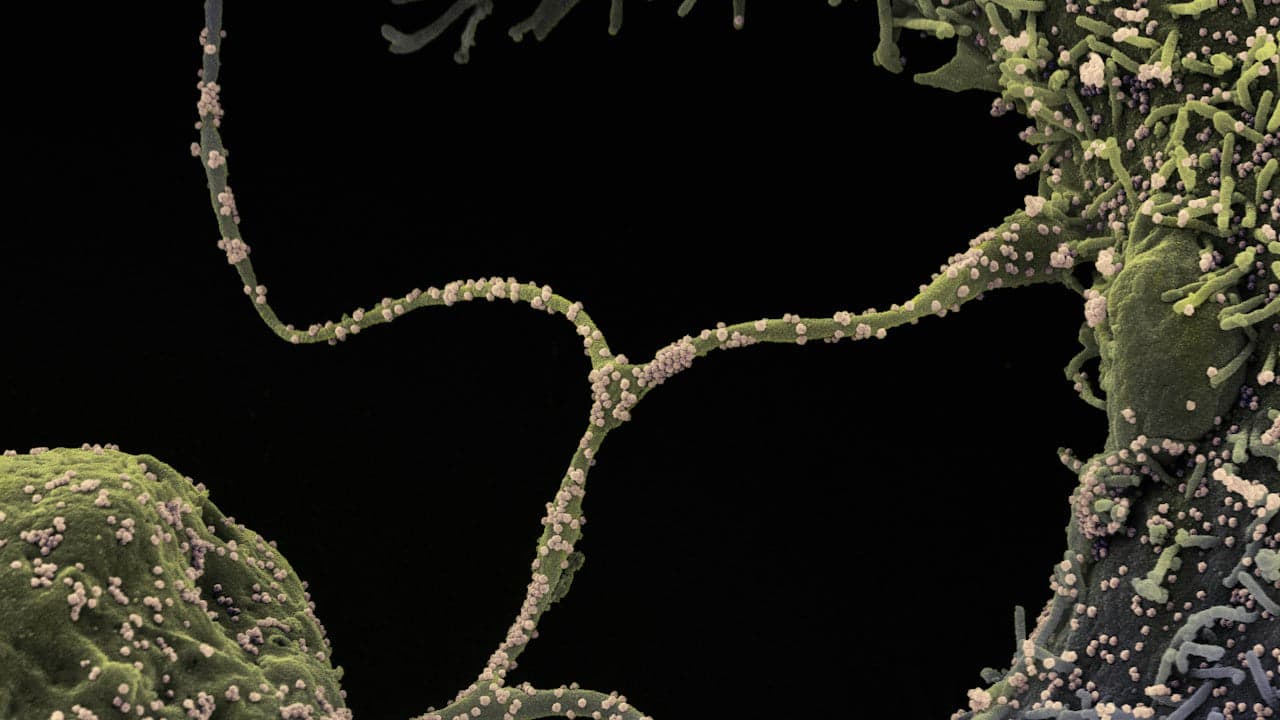
Scientists at the University of North Carolina at Chapel Hill School of Medicine have identified a human protein pathway responsible for keeping HIV dormant within host cells. Published in Cell Reports on October 24, 2026, the discovery exposes how viral reservoirs persist in blood and brain immune cells despite antiretroviral therapy. Uncovering these cellular mechanisms provides a scientific foundation for therapeutic strategies designed to expose and eradicate persistent virus.

Giovanni Sapere

Medicine

3D-Printed Nitinol Braids Advance Custom Cardiovascular Implants

A research team led by the IMDEA Materials Institute and Universidad Politécnica de Madrid has developed an invention for manufacturing personalized cardiovascular implants using 3D printing and superelastic nitinol. Published in npj Metamaterials, the method enables single-step production of flexible braided structures that compress into delivery catheters without structural failure, as reported by [MedicalXpress](https://medicalxpress.com/news/2026-10-3d-method-options-personalized-cardiovascular.html).

Giovanni Sapere

Medicine

Subcortical Nuclei Anticipate Sensory Sights and Touch in Real Time

Neurobiological research reported in mid-October 2026 demonstrates that subcortical nuclei anticipate sensory experiences prior to their physical occurrence. The discovery provides fresh insight into sensory processing and neurological timing mechanisms. Understanding how subcortical regions prepare for incoming stimuli highlights an important scientific innovation in basic sensory medicine.

Letizia Giugliano

Medicine

Global Study Shows Rising Acne Burden Through 2050

A cross-sectional study led by Brigham and Women's Hospital reveals that the global burden of acne vulgaris increased substantially between 1990 and 2023 and will continue expanding through 2050. Published in JAMA Dermatology, the findings underscore how skin conditions generate extensive morbidity, accelerating the demand for clinical innovation across global healthcare systems.

Giovanni Sapere

Medicine

Building a Daily Walking Habit: Step Targets and Preventive Health Evidence

Public health researchers emphasize that establishing a regular walking routine requires minimal equipment while delivering measurable cardiovascular benefits. Research led by kinesiologist Amanda Paluch at the University of Massachusetts Amherst highlights how structured, incremental increases in daily steps can lower premature death and stroke risks. Incorporating accessible tracking tools allows individuals to monitor baseline activity and build sustainable long-term movement habits.

Letizia Giugliano

Medicine

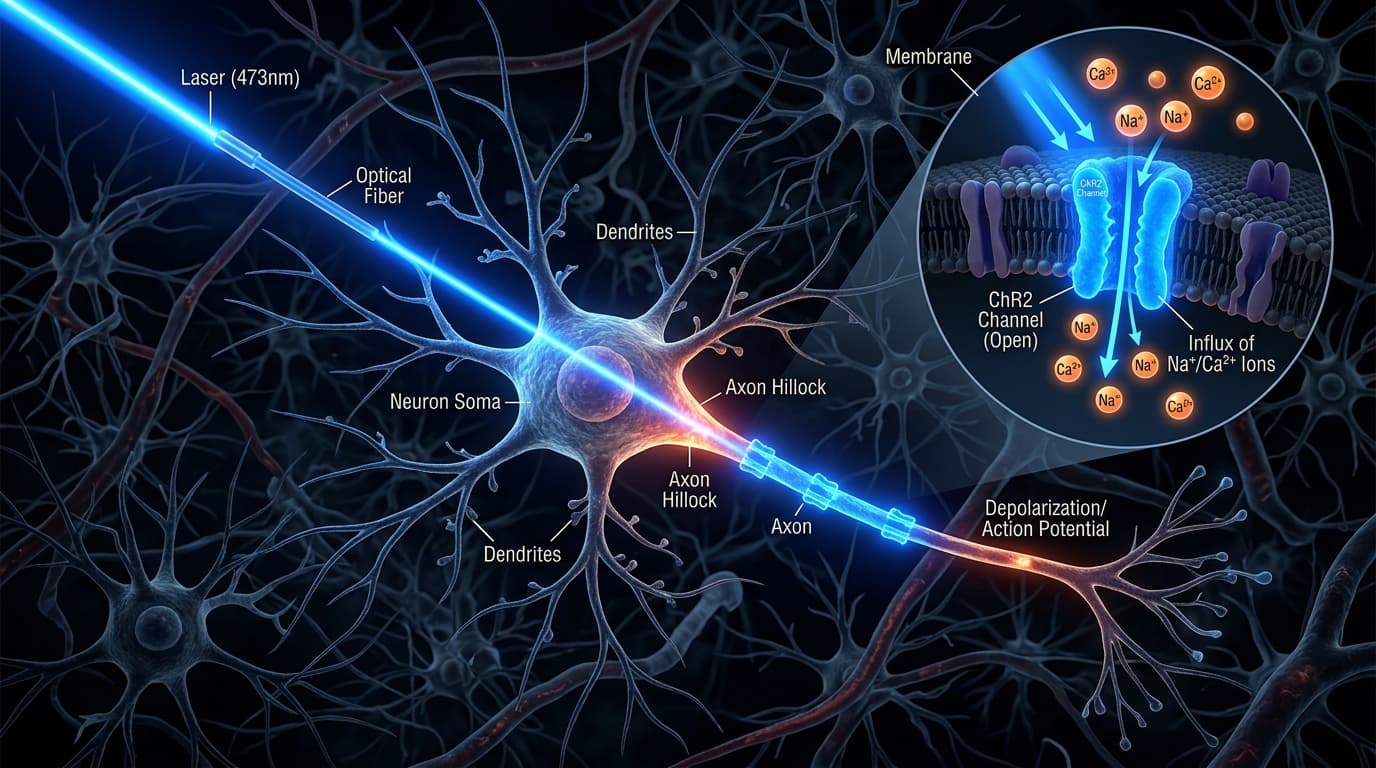
Optogenetics Pioneers Win Nobel Prize for Illuminating the Brain

Karl Deisseroth, Peter Hegemann, and Georg Nagel have been awarded the Nobel Prize in Physiology or Medicine 2026 for their foundational work in optogenetics. This revolutionary technique utilizes light to control nerve cells, offering unprecedented insight into how the brain forms memories, emotions, and behaviors, and paving the way for new treatments for neurological conditions.

Giovanni Sapere

Medicine

Nanorobots: What it is and how it works

Nanorobots are nanoscale devices designed to perform specific tasks within the human body, such as targeted drug delivery, repairing damaged tissue, or eliminating cancer cells. Thanks to their extremely small size, nanorobots can navigate through the circulatory system and directly penetrate…

Mattia Sapere

Medicine

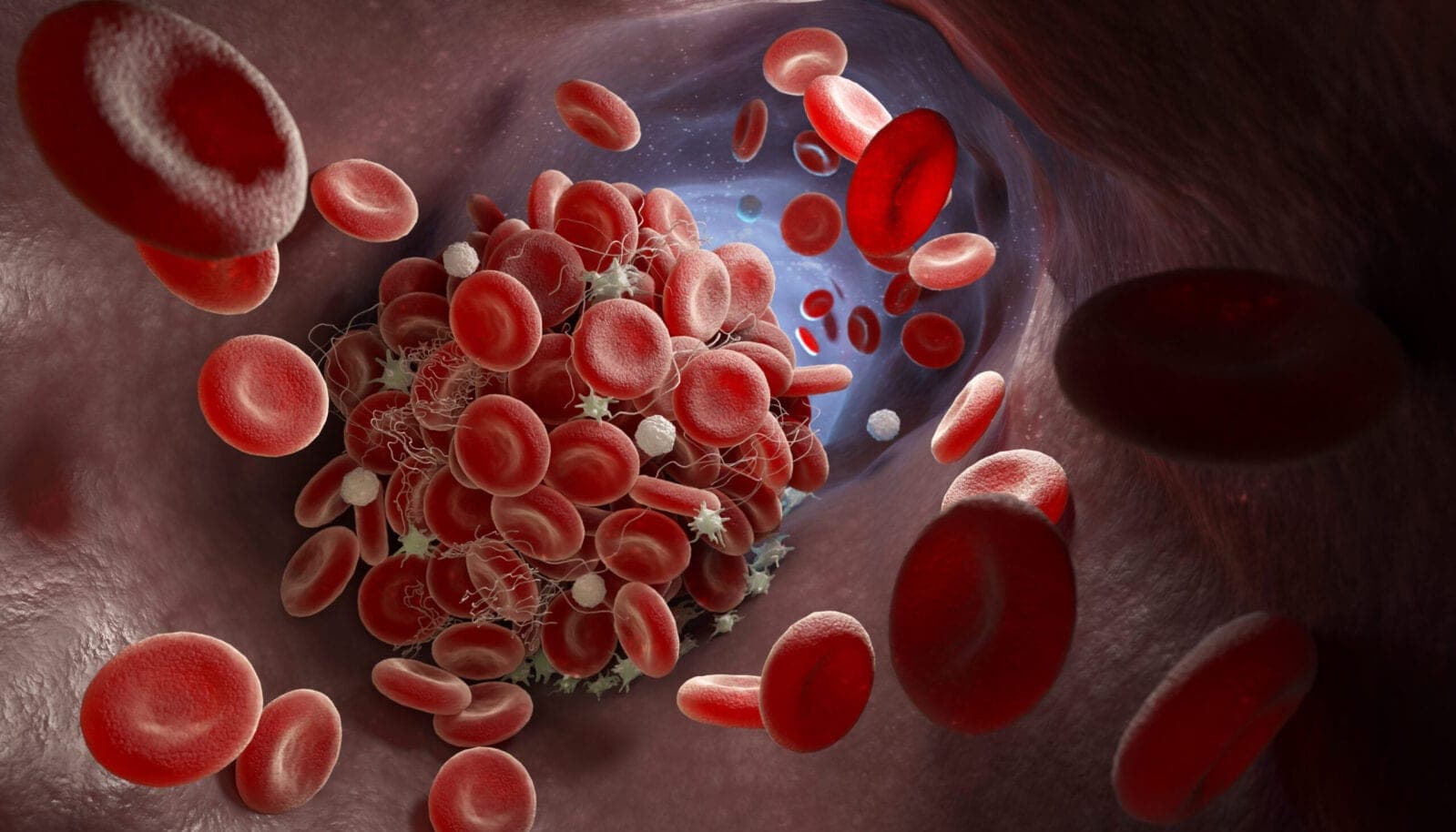
Nano-Robot for the Treatment of Blood Clots

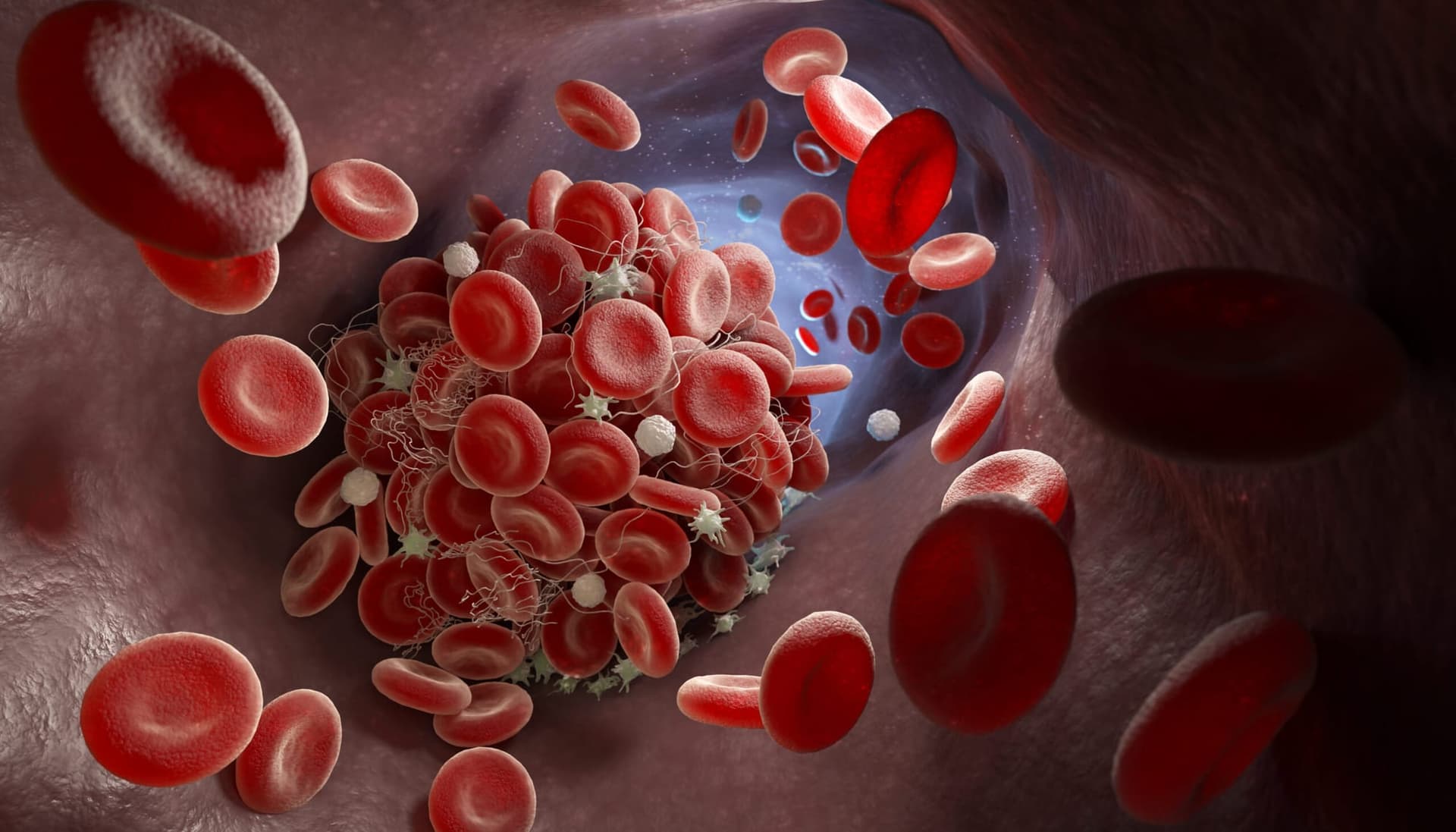
A team of scientists at the Chinese University of Hong Kong has announced a major breakthrough in the fight against blood clots, thanks to a new technology that controls nano-robots in a revolutionary way, simulating the natural behaviour of swarms.

Letizia Giugliano