Patents

Physics

MIT and Thea Energy test flat superconducting magnet for stellarator fusion

Fusion energy startup Thea Energy has joined forces with the Massachusetts Institute of Technology to test a full-scale superconducting magnet designed for its next-generation stellarator. The trials at MIT evaluate whether a flat encircling coil can withstand the magnetic fields and mechanical stresses of a commercial power plant.

Norms & Regulation

Federal Circuit overturns 9.1 million dollar fee award against ChromaDex

The U.S. Court of Appeals for the Federal Circuit has overturned a 9.1 million dollar legal fee award against ChromaDex in its long-running dispute with Elysium Health. The appellate court ruled that ChromaDex presented a plausible defense of its patent eligibility under Section 101, meaning the case did not qualify as exceptional under federal patent law.

Operations & Transport

NASA unveils X-70 Fractal experimental aircraft for flight control research

NASA presented its newest crewed experimental aircraft, the X-70 Fractal, on November 4, 2026, during the UP.Summit at Kennedy Space Center in Florida. The agency designed the platform to accelerate aerospace innovation by flight-testing reconfigurable control systems and modular experimental hardware. Agency officials expect the aircraft to complete its first flight under the NASA banner within two years.

Norms & Regulation

Federal Circuit overturns 9.1 million dollar fee award in vitamin patent case

The U.S. Court of Appeals for the Federal Circuit reversed a district court order requiring ChromaDex to pay 9.1 million dollars in legal fees to rival Elysium Health. The decision settles an exceptional-case dispute over dietary supplement intellectual property licensed from Dartmouth College. Judges ruled that while ChromaDex lost on patent eligibility, its arguments were neither frivolous nor foreclosed by Supreme Court precedent.

Giovanni Sapere

Science

Unlocking Spider Silk to Turn Liquid Protein into Solid Fibers

Natural dragline silk can withstand a pulling force of 150 newtons per square millimeter before tearing, matching high-grade steel at a fraction of the weight. Replicating that performance through an artificial manufacturing process remains an elusive technical frontier in materials science. Today, laboratory teams are decoding how arachnids transform liquid gland proteins into tough, solid threads for textiles and medical use.

Letizia Giugliano

Physics

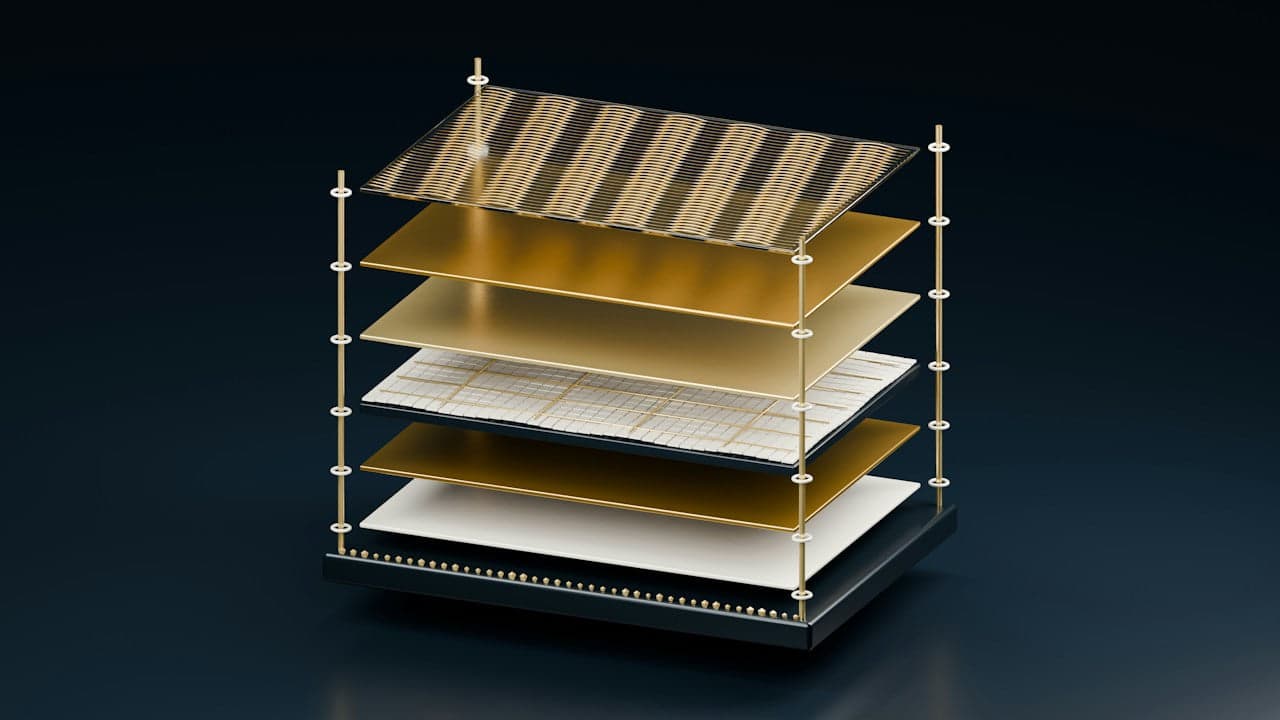
Quantum skyrmions on a chip survive after photon entanglement breaks down

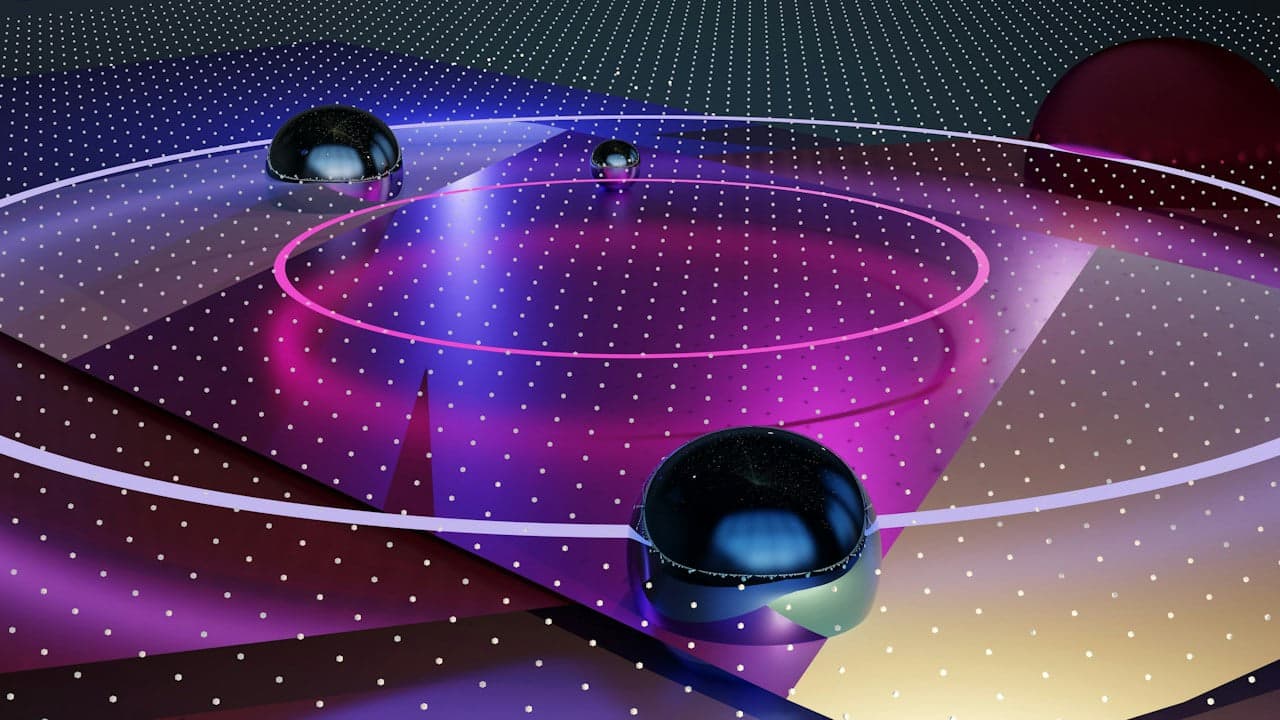
Physicists at the University of Pennsylvania have demonstrated that topological patterns encoded in light can persist even after the quantum entanglement linking two photons breaks apart. The finding addresses one of the fundamental vulnerabilities of optical quantum networks, where environmental noise routinely destroys sensitive quantum links. By using an integrated silicon nitride circuit, the team showed that mathematical topology offers a resilient way to protect quantum states.

Letizia Giugliano

Chemistry

Experimental Alloys Resist Fracturing at -253 Degrees Celsius

Two experimental niobium-titanium alloys stay flexible and resist cracking at -253°C, according to research published on October 14 in Nature. An international research team led by the University of California, Berkeley, Lawrence Berkeley National Laboratory, and the University of Oxford discovered that the metals reorganise internally under mechanical stress. This metallurgical innovation alters how materials might be designed for extreme cold in energy systems and space exploration.

Letizia Giugliano

Physics

Two electrons unite to push laser X-rays beyond standard physics limits

Physicists at TU Wien and the University of California San Diego have found a way to generate X-rays with higher energies than standard theoretical limits permit. By synchronizing two electrons in helium atoms with ultraviolet laser pulses, the team triggered a combined energy release that creates unusually energetic photons. The scientific innovation challenges long-standing assumptions about how laser-driven radiation is generated at the atomic level.

Giovanni Sapere

Physics

Physicists Confirm Altermagnetism in Manganese Telluride

Physicists led by the SLAC National Accelerator Laboratory have confirmed the existence of a third magnetic phase known as altermagnetism. Reported on October 30, 2026, in the journal Science, the physical innovation provides direct experimental proof of chirality in manganese telluride, verifying a magnetic structure predicted only in 2022.

Letizia Giugliano

Construction

ETH Zurich turns sand into solid biocement using bacteria

Engineers at ETH Zurich have developed an architectural innovation that binds ordinary loose sand into rigid building components using living bacteria. Led by Karen Antorveza Paez, the team created two fabrication methods that avoid the high heat and heavy carbon emissions of conventional cement production, as reported by [New Atlas](https://newatlas.com/materials/biocement-solid-sand/).

Giovanni Sapere

Electricity

A concentrated solar power system designed with its own fuel backup

Engineers are building a 1 megawatt concentrated solar plant in India that can switch directly to combustion fuels when sunlight drops. Developed by the US startup 247Solar, the invention replaces conventional turbine combustors with a heat exchanger, allowing the same generation machinery to run on solar heat or backup fuels without constructing a separate power station.

Letizia Giugliano

Motors

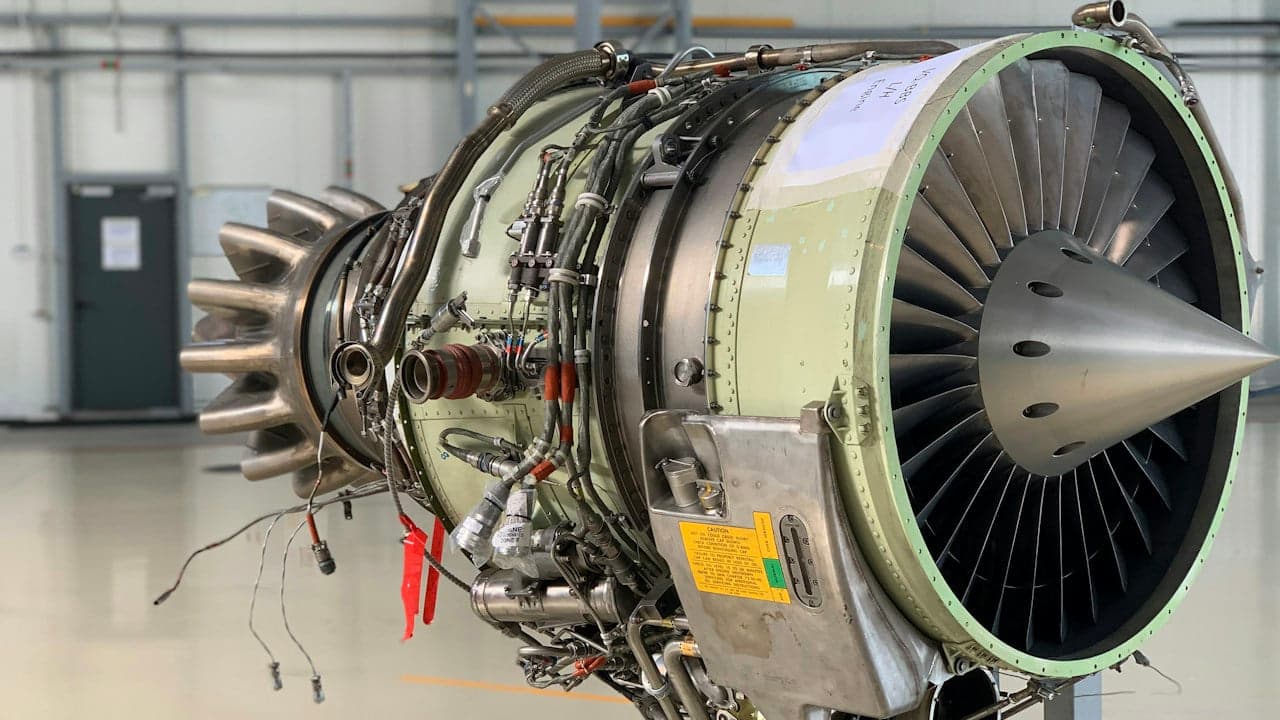
Beehive Industries tests Frenzy 6 jet engine prototype for drones

Colorado-based defense propulsion manufacturer Beehive Industries has conducted the first test of its Frenzy 6 engine prototype. The trial took place on September 23 at the company's headquarters, assessing a compact propulsion unit tailored for unmanned aerial systems and munitions. The demonstration marks a rapid transition from technical design to physical hardware.

Letizia Giugliano

Tech

NUS Engineers Weave a Touchscreen Display Directly Into Garment Fabric

Engineers at the National University of Singapore have turned clothing fibers into an interactive display. Led by assistant professor Tural Khudiyev, the team integrated 54 electronic threads into a shirt sleeve to produce a touch-sensitive screen that plays video, registers finger presses and tracks body temperature.

Letizia Giugliano

Physics

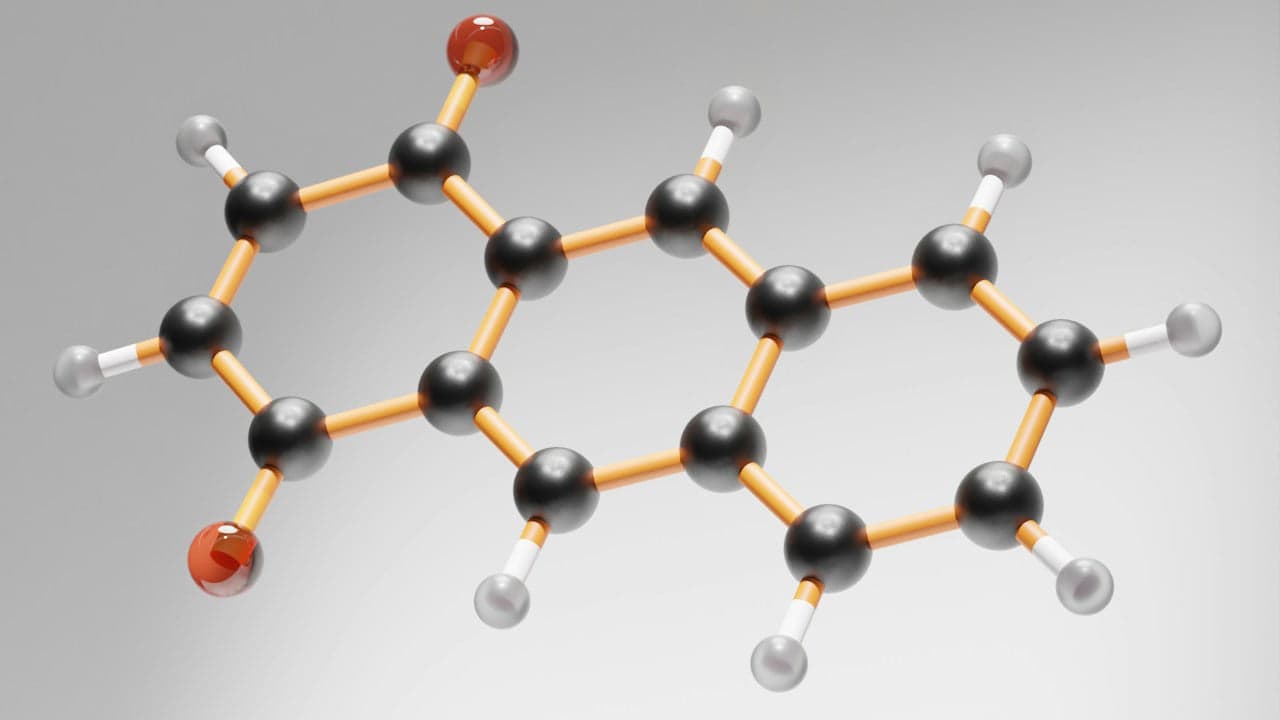
A microscopic Archimedes screw spins between gold tips and boosts conductivity

Physicists and chemists in Germany, Denmark, and Israel have built an electrically driven molecular motor based on the spiral design of the Archimedes screw. The single-molecule invention, suspended between two atomic-scale gold tips, rotates continuously when current passes through it and reverses direction when the electrical polarity flips. By measuring electron transport and modeling quantum states, the researchers discovered that the spinning movement increases electrical conductivity by up to 100 times.

Giovanni Sapere

Prototypes

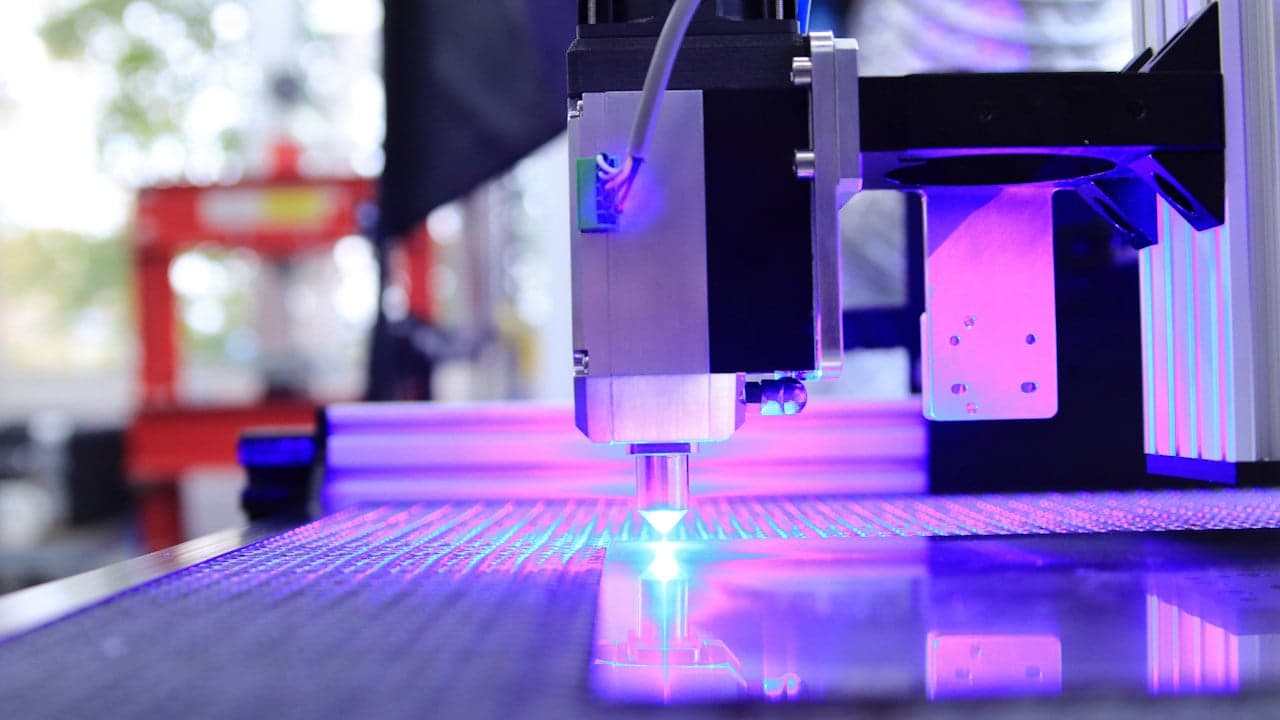
US Navy engineers build 3D-printed clip to stop unexploded submunition blasts

Two engineers at Naval Surface Warfare Center Corona Division have designed a mechanical clip that blocks the arming components of unexploded submunitions. The invention, developed for explosive ordnance disposal teams, replaces slow-setting plaster mixtures with an on-demand component produced using 3D printing.

Giovanni Sapere

Physics

Ultrathin Iridium Manganese Boosts Spintronic Signals in Kyushu Lab Test

Materials researchers at Kyushu University have shown that inserting an ultrathin layer of iridium manganese between a magnetic insulator and platinum amplifies spin signals. The hardware innovation, published on September 30, 2026, could assist the development of ultralow-power electronic devices that draw power directly from waste heat.

Letizia Giugliano

Norms & Regulation

EU Digital Services Act: Major Platforms Fail Ad Transparency Rules

Digital platforms across the European Union are falling short of mandatory transparency obligations under the Digital Services Act. Independent legal research reveals that three quarters of evaluated services fail to provide country-level audience figures, while several have not delivered public ad repositories at all. The findings expose significant gaps between regulatory ambitions and current platform implementation.

Giovanni Sapere