dinosaurs

Archeology

Dinosaur Blood Molecules Identified in 115-Million-Year-Old Fossil

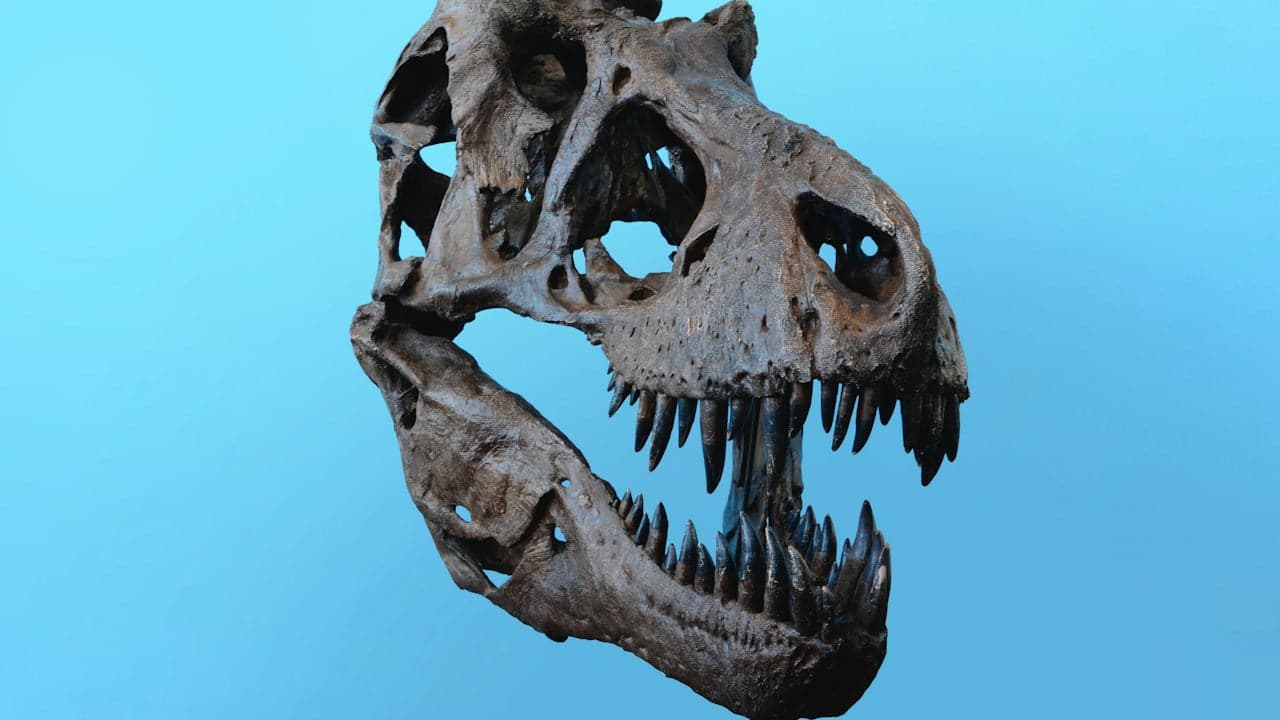
Geochemists at Curtin University have detected chemically confirmed traces of blood inside the 115-million-year-old limb bones of a theropod dinosaur found in northeastern Brazil. Published in the Proceedings of the National Academy of Sciences, the research confirms the survival of hemoglobin-derived heme molecules and collagen amino acids sealed within fossilized vascular canals. The finding provides direct chemical evidence that delicate biological structures can withstand tens of millions of years under specific geological conditions.
Science

Oldest dinosaur blood cells and heme found in 115-million-year-old fossil

A research team led by Curtin University has identified chemically intact red blood cells and heme biomolecules in a 115-million-year-old dinosaur fossil. The study, published in the Proceedings of the National Academy of Sciences, provides the oldest chemical evidence of blood in the vertebrate fossil record. The findings demonstrate that complex organic molecules can endure deep geological time when preserved under specific mineral conditions.

Archeology

Jurassic Bird Fossil in China Reveals Earliest Evidence of Flight Loss

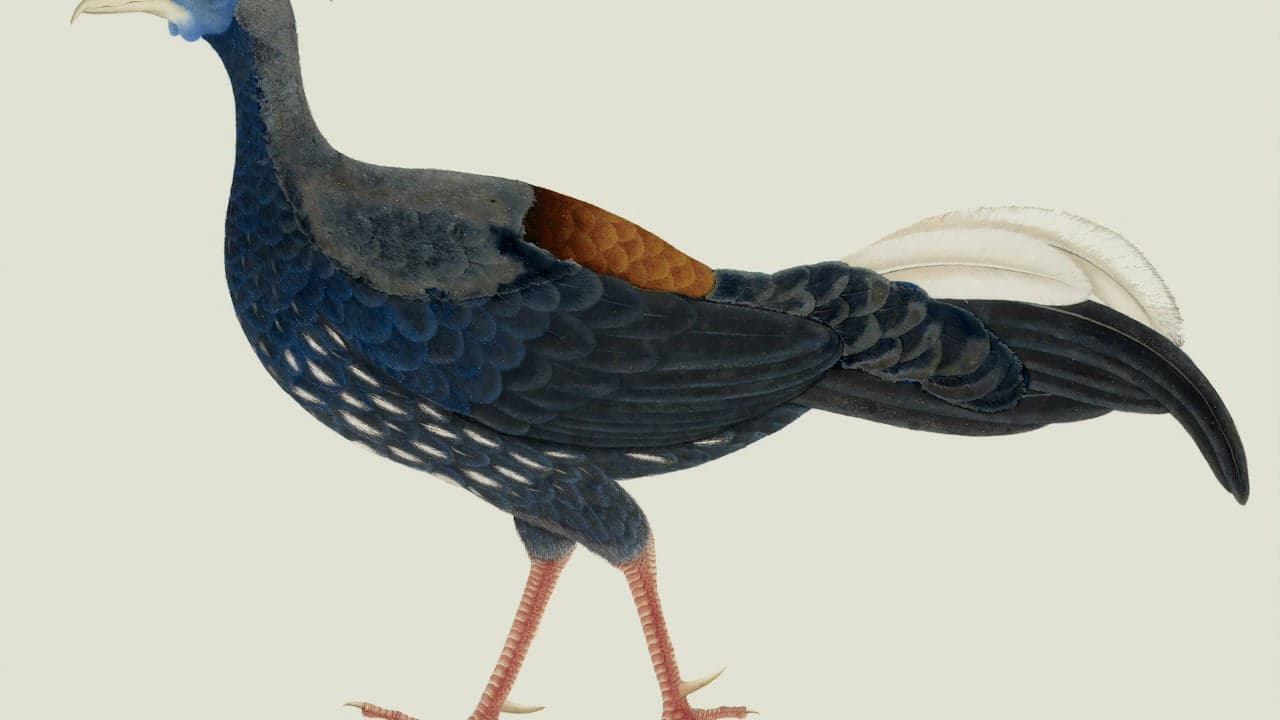
A 150-million-year-old fossil uncovered in southeastern China represents the earliest known instance of a bird lineage losing the ability to fly. Researchers from the Chinese Academy of Sciences and the Fujian Institute of Geological Sciences identified the crow-sized species, Yuezhuornis yangyuanensis, in the Late Jurassic Zhenghe Fauna. The discovery reveals an unexpected evolutionary innovation, showing that early avians adapted to terrestrial ecological niches rather than progressing solely toward powered flight.

Giovanni Sapere