sensors

Gadget

EpiPad Uses Radar to Turn Your Forearm into a Smartwatch Trackpad

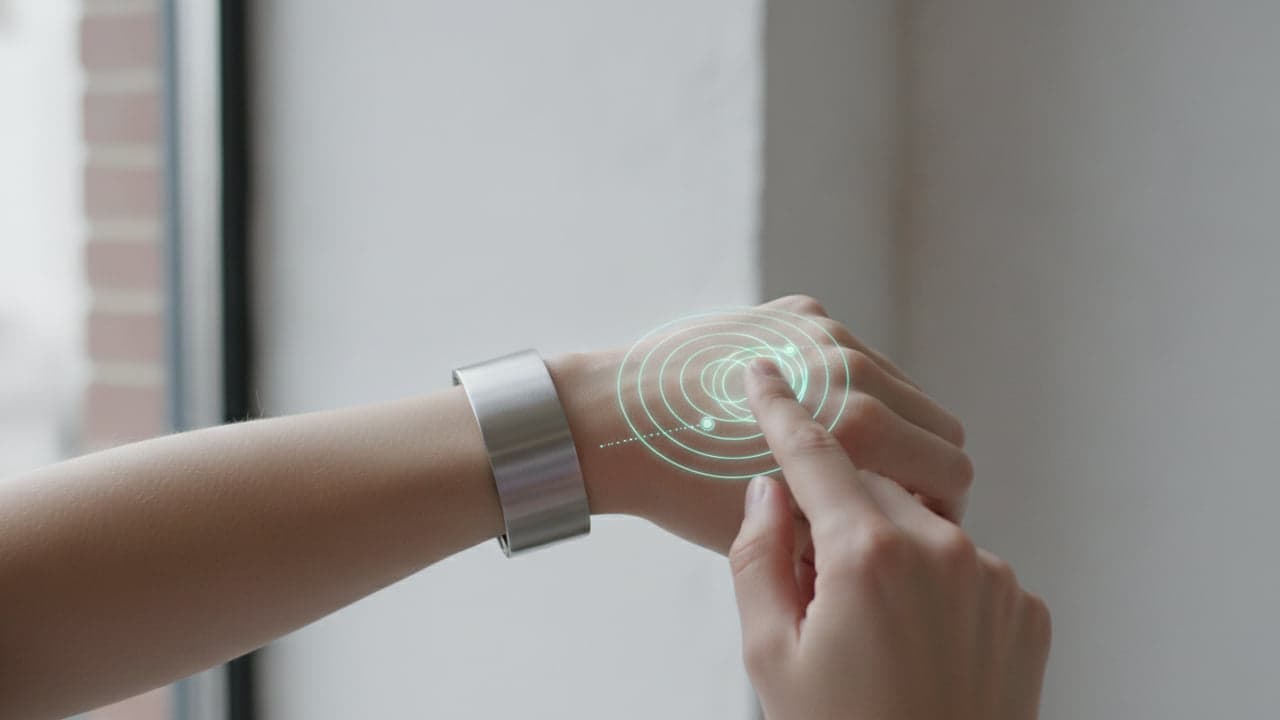
An innovation developed by researchers at North Carolina State University turns the human forearm into an interactive trackpad for wearable devices. The system, called EpiPad, uses a millimeter-wave radar sensor to track finger motions and skin pressing firmness directly on the wearer's arm. Presented at the UbiComp/ISWC 2026 conference in Shanghai, the setup allows users to tap, pinch and zoom without obscuring compact displays.
Inventions

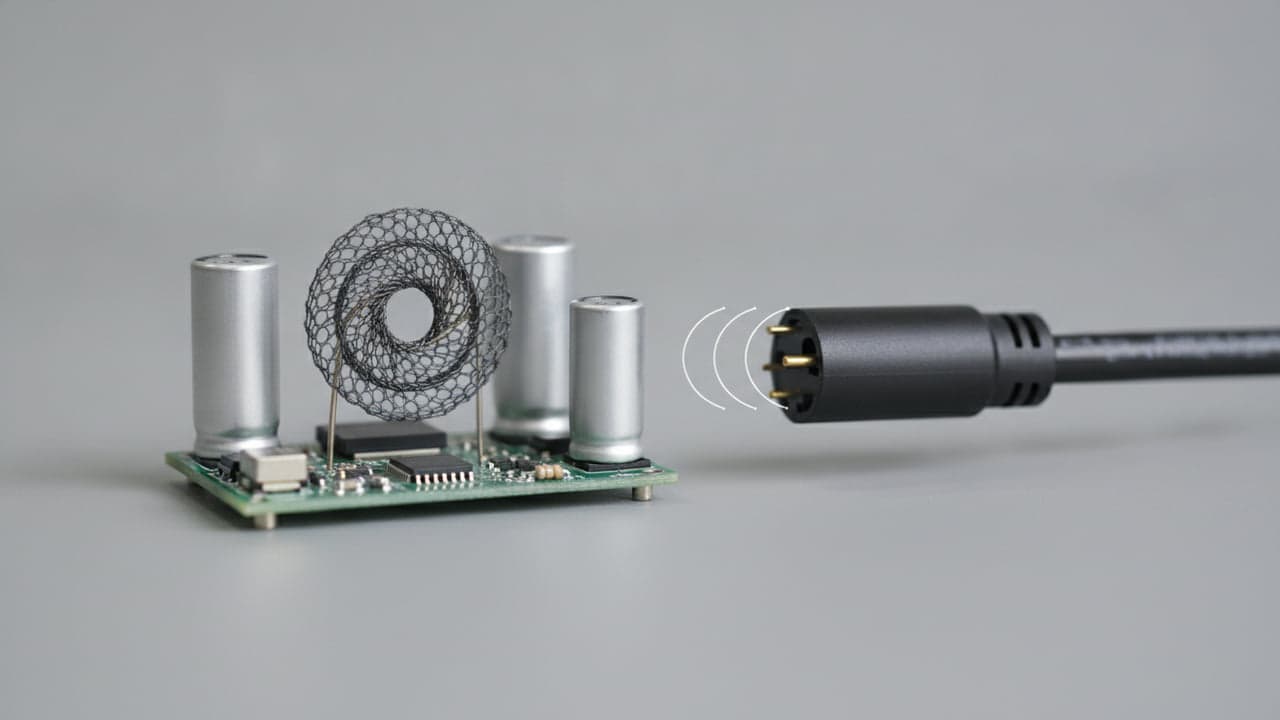
Graphene energy harvester powers wireless sensors from magnetic field leaks

A research team led by physicist Paul Thibado has developed a battery-free temperature sensor that draws its operating electricity from ambient electromagnetic fields around alternating-current wiring. The invention, created by researchers at the University of Arkansas and the University of Michigan, couples a graphene inductor with low-drain electronics to run without wired power connections or chemical batteries. It offers industrial plants a maintenance-free option to monitor machinery without the need to replace exhausted cells.

Robotics

A 3D-printed robot moth grows UV sensors using its own artificial blood

Engineers have built a moth-shaped prototype that uses an internal fluid circulation to grow light detectors directly on its wings. The development in soft robotics, carried out by teams at the University of Tartu in Estonia and the Italian Institute of Technology, enables a machine to form new hardware components after manufacturing rather than relying solely on pre-installed parts.

Inventions

SDSU Researchers Develop Graphene Sensors to Track Corn Growth

A new agricultural invention developed at South Dakota State University tracks the diameter of cornstalks and ears in real time. Assistant professor Mazhar Sher and graduate student Chamika Kuruppuarachchi built wearable plant bands that take readings every ten minutes to measure crop response to fertilizer. The university team plans to file for a patent on the system ahead of planned field trials.

Tech

Transmitting Odors Over the Internet with Scentronic

Two research teams from The Ohio State University and Zhejiang Laboratory have demonstrated a method to digitize and transmit odors over network connections. The setup pairs an electronic nose with an emitting unit called Scentronic, using machine learning to classify scents before misting preloaded liquid fragrances. So far, the system has successfully transmitted the aromas of coffee, beer, cake, oranges and red wine.

Letizia Giugliano

Robotics

Penn Engineers Speed Up Event Camera Vision to 440 Times per Second

Engineers at the University of Pennsylvania have developed an artificial intelligence tool that processes event-camera visual data up to 440 times per second. The software invention, called Fast Feature Field, allows machines to interpret rapid environmental changes between two and five times faster than earlier methods. Reported in the journal Science Robotics, the system helps autonomous drones, wheeled vehicles, and walking robots react quickly in cluttered spaces and low-light conditions.

Letizia Giugliano

Tech

EPFL Shrinks Ultra-Fast Blue Laser Onto a Photonic Chip

Engineers at EPFL in Switzerland have mounted a high-precision blue laser onto a miniature photonic chip, keeping frequency variation below 30 kilohertz while tuning rapidly. The compact invention sends optical signals through water and identifies airborne particles that standard infrared beams miss.

Letizia Giugliano

Tech

A graphene device harvests ambient radiation to power battery-free sensors

Physicists and materials scientists from the United States have built a graphene-based device that harvests energy from ambient electromagnetic radiation to operate an ultra-low-power temperature sensor. The prototype can function continuously for at least 24 hours during a power outage without requiring chemical batteries.

Letizia Giugliano

Textiles & Paper

Interactive Touchscreen Woven Directly into Garment Sleeve

Engineers from the National University of Singapore have developed the world's first interactive screen woven directly into clothing. The wearable invention integrates miniature electronics into flexible fibres, allowing ordinary textiles to display full-colour moving images and register tactile inputs without rigid panels.

Giovanni Sapere

Tech

Low-Cost Sensor Identifies Incoming Drones by Motor Magnetic Fields

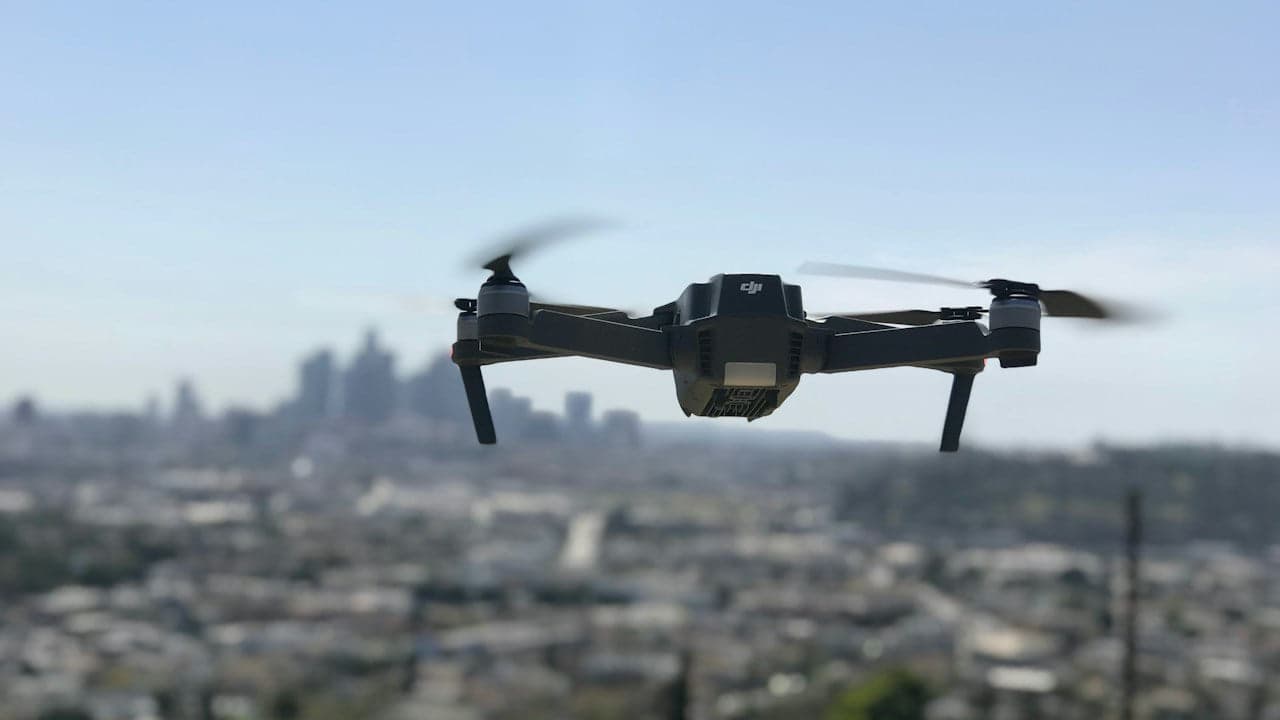
Engineers at Florida International University have created a passive detection method that identifies airborne drones solely through the magnetic signatures produced by their electric motors. The hardware costs only a few hundred dollars to assemble and pinpoints drone models with up to 98.52% accuracy at close range, offering an alternative to active radar and noisy acoustic systems.

Letizia Giugliano

Stories

Ottawa Researchers Boost Organic Transistors via Microscopic Layer Tuning

A research group led by Benoit Lessard at the University of Ottawa has demonstrated that altering the microscopic architecture of thin-film transistors dramatically enhances electrical efficiency. This innovation relies on adjusting polymer compositions at the molecular level, cutting operational voltage down to 0.9 V while paving the way for wearable and biodegradable electronics.

Giovanni Sapere

Makers

Optical Waveguides Turn Flexible Sheets into Dynamic Shape Sensors

Tracking the dynamic deformation of soft objects remains an engineering hurdle in virtual reality and robotics. To address this, researcher Qifan Yu and a team of investigators developed an invention that reconstructs surface movement using flexible light-guiding channels, according to a report by [Hackaday](https://hackaday.com/2026/10/15/using-optical-waveguide-arrays-to-make-sheets-sense-shapes/). The sensing sheet offers a self-contained alternative to bulky multi-camera rigs.

Letizia Giugliano

Crowdfunding

Taopatch, the sensor that improves mind and body

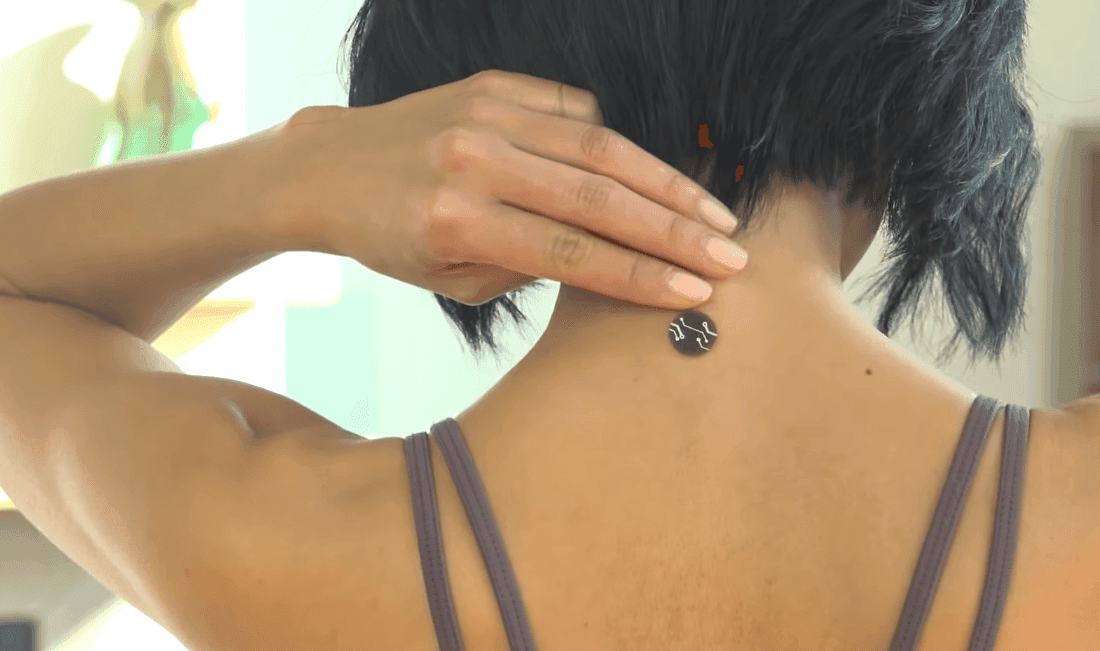
The Los Angeles-based company offers a small sensor that helps improve balance, posture, concentration and pain relief among all Sensors are developing ever smaller and more efficient devices. An example already described is Kailo, the innovative tool for pain relief. The evolution of the field is…

Mario Vincenzo La Rocca