Letizia Giugliano

Medicine

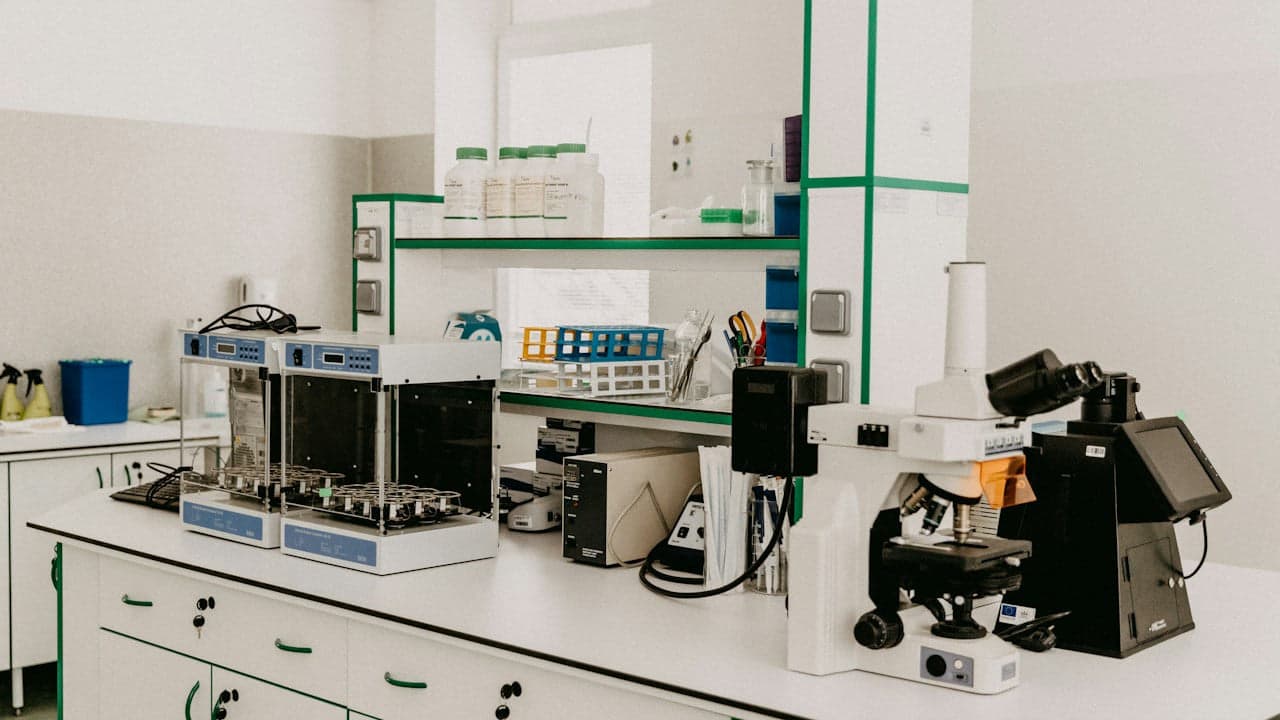
From Prototype to Deployment: The Regulatory and Engineering Barriers in Health Innovation

Navigating the pathway from laboratory concept to working deployment presents significant friction for healthcare and technology creators. On October 21, 2026, an editorial analysis published by Interesting Engineering outlined how emerging technical work in health and engineering often stumbles not on theoretical merit, but on integration, regulation, and supply chain constraints. Addressing these friction points is essential for every inventor seeking to move biomedical designs into standard clinical practice.

Letizia Giugliano
Physics

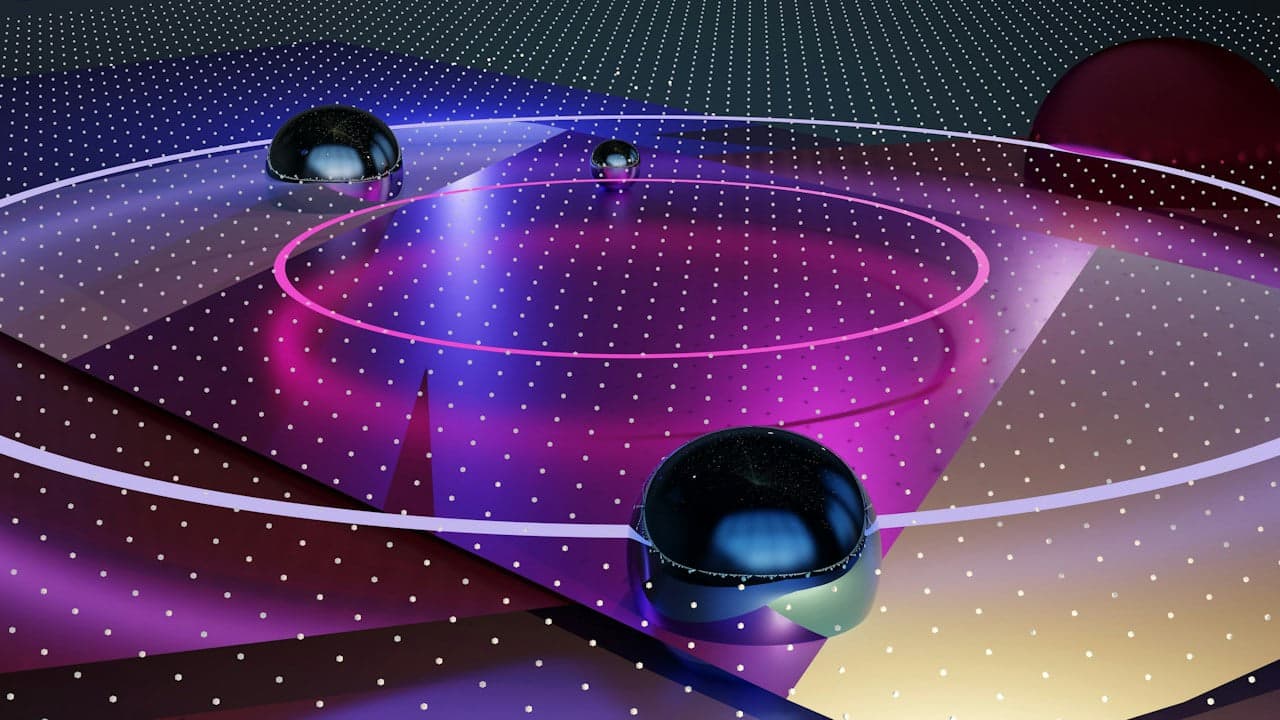
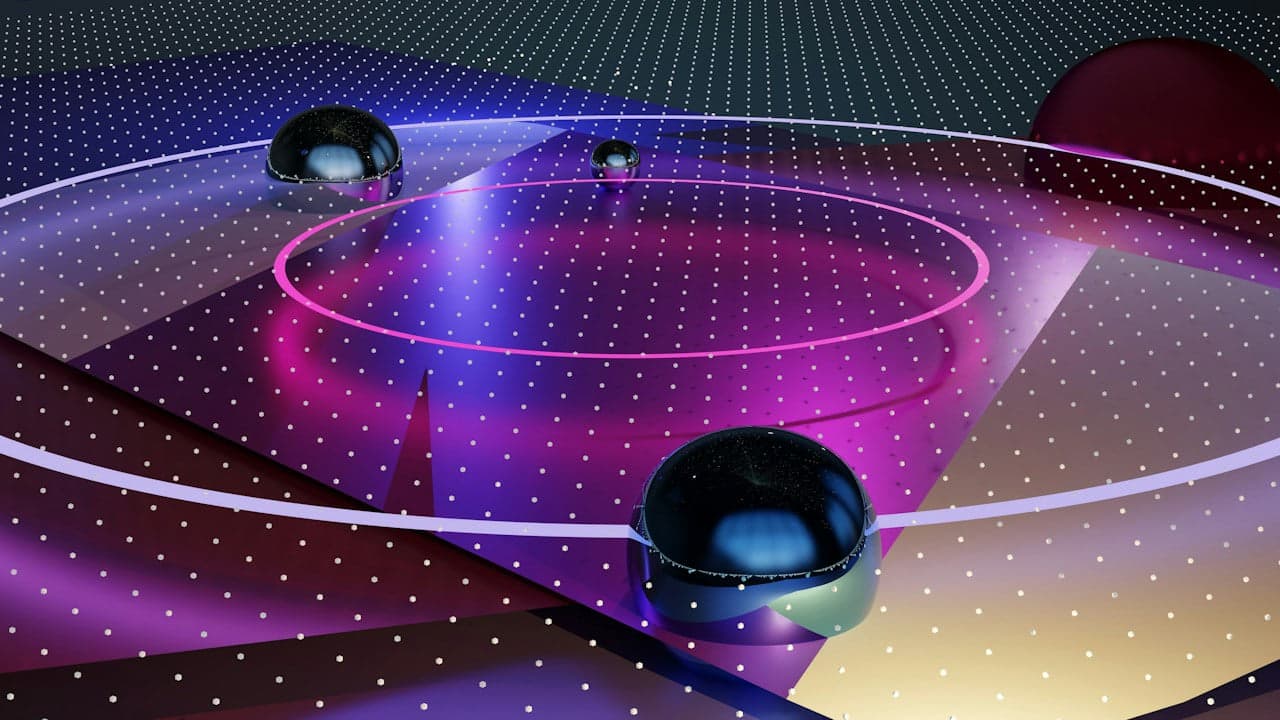
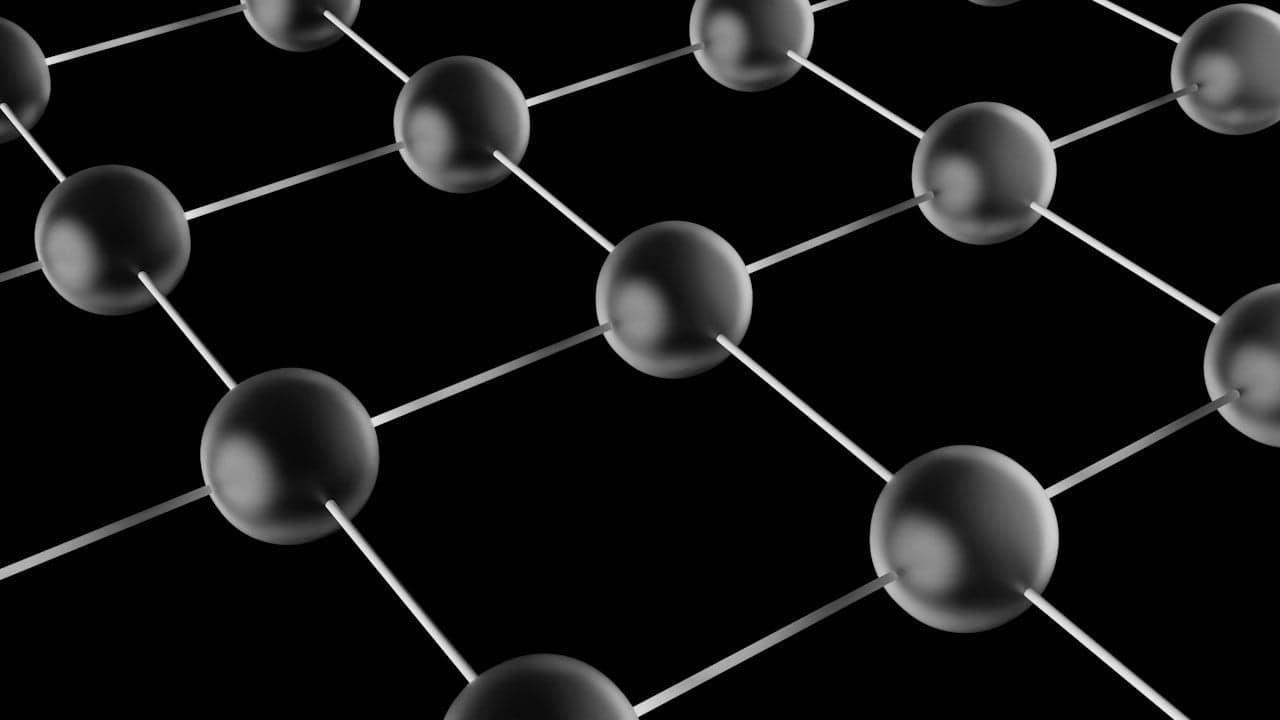
Rare Quantum Lattice Assembled from Propeller-Shaped Organic Molecules

An international research team has created a rare two-dimensional diatomic Kagome lattice by assembling propeller-like organic molecules. Published in Nano Letters on September 2, 2026, the discovery demonstrates that organic molecular assemblies can support topological quantum states, widening avenues for future electronic design.

Letizia Giugliano

Biology

Light-Activated Switch Calms Nerve and Heart Muscle Cells

A research team led by Ruhr University Bochum has engineered an optogenetic tool capable of selectively shutting down electrical excitation in nerve and heart muscle cells. Published on October 20, 2026, the molecular innovation provides a precise optical switch to study disorders marked by cellular hyperactivity, including cardiac arrhythmias.

Letizia Giugliano

Robotics

Bio-Inspired Feather Star Robot Masters 3D Underwater Maneuvers

Engineers at North Carolina State University have created an aquatic robot modeled after the marine feather star to navigate underwater environments in three dimensions. The new invention achieves multi-directional swimming and hovering using just two actuators, relying on smart structural design instead of complex electronic control systems.

Letizia Giugliano

Chemistry

Ceramic Cell Doubles Clean Hydrogen Yield from Industrial Steam

Chemical engineers at the University of Groningen have developed an invention that doubles the production of clean hydrogen from steam without requiring extra electrical power. The system, detailed in the journal Energy and Environmental Science, operates at high temperatures to split water vapor directly into pure hydrogen gas, providing heavy industry with an efficient alternative to fossil-fuel-derived hydrogen.

Letizia Giugliano

Electricity

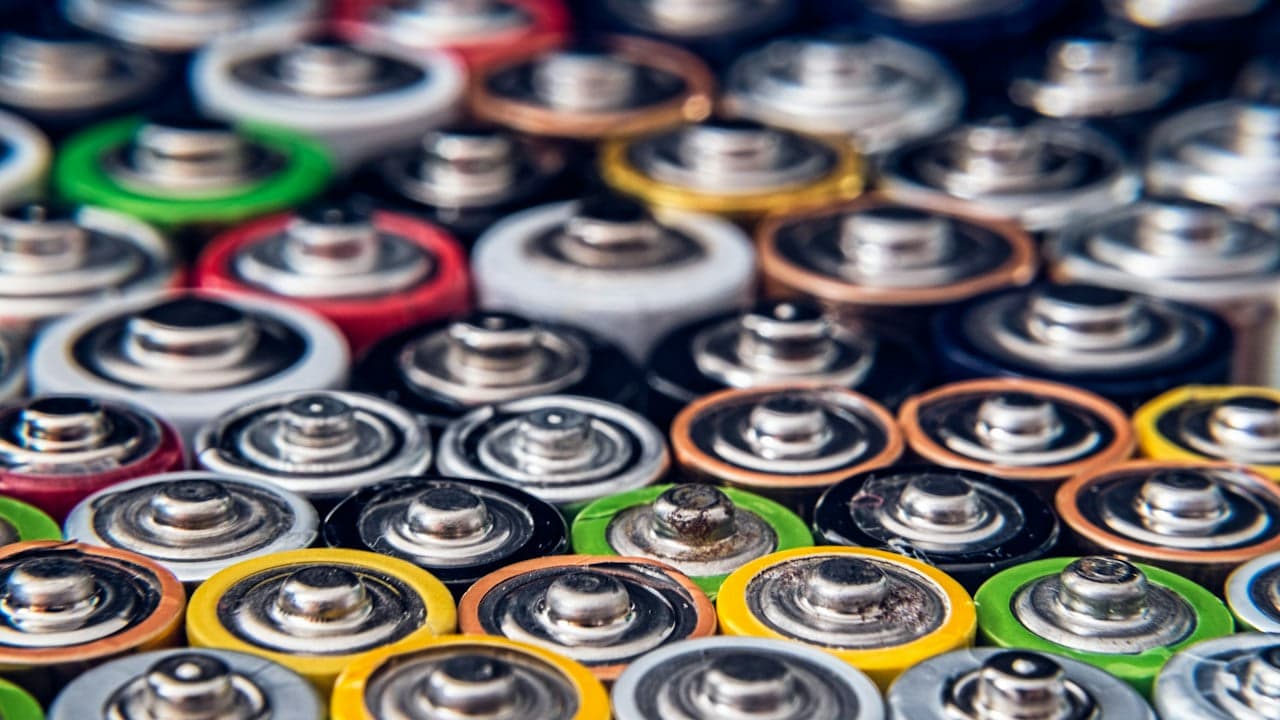
Sodium-Ion Batteries Without Active Cooling Aim to Cut Grid Costs

Energy startup Peak Energy announced on October 23 that it raised $108 million in a Series B round led by GM Ventures to scale sodium-ion battery platforms. Designed specifically for stationary power grids and data centers, the system removes active cooling equipment to lower deployment costs. The effort builds on a joint technical initiative with General Motors to deploy cell chemistries tailored for stationary utility networks.

Letizia Giugliano

Robotics

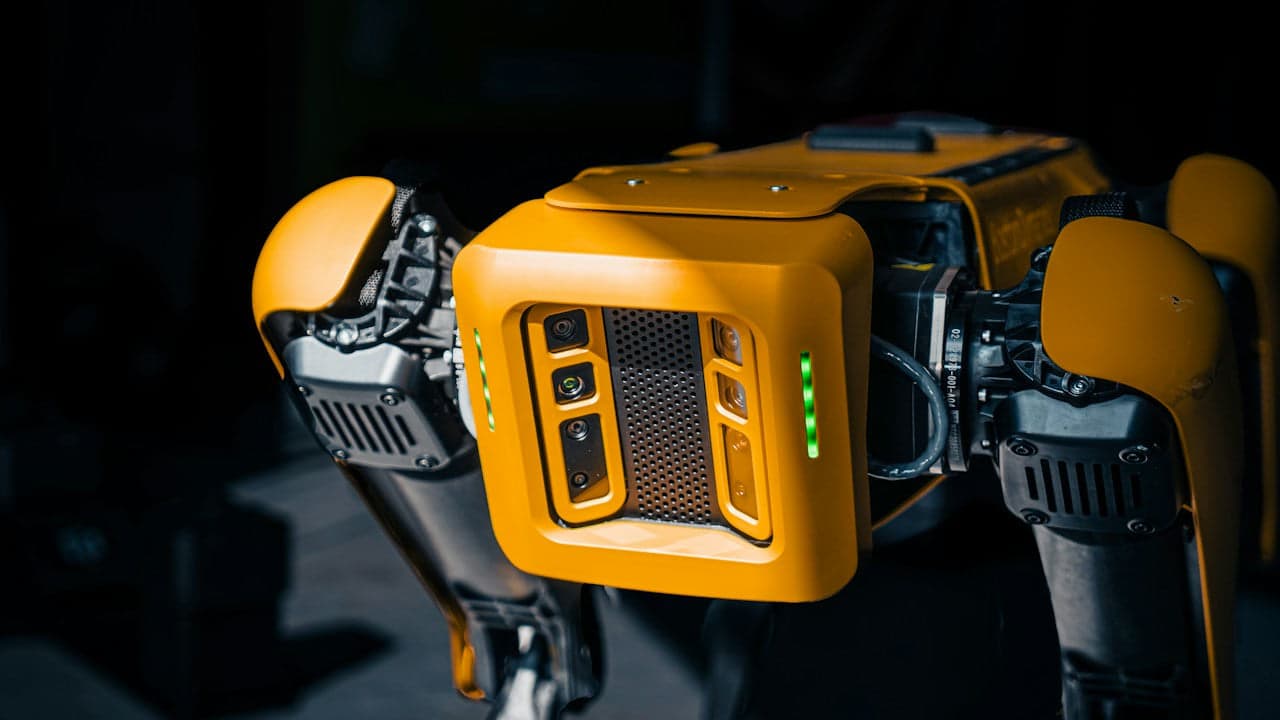
Dexterity and Motion Control Advance Across Quadrupeds and Humanoid Robots

Recent milestones in robotics highlight how machines are mastering delicate manipulation and dynamic mobility without relying on conventional human-like approaches. Engineering reports from October 2026 demonstrate that quadruped platforms, stabilization frameworks, and humanoid systems are rapidly closing the divide between sensory perception and physical action. These developments signal a wider shift toward resilient, high-speed machines designed for complex physical tasks.

Letizia Giugliano

Tech

Low-Cost Sensor Identifies Incoming Drones by Motor Magnetic Fields

Engineers at Florida International University have created a passive detection method that identifies airborne drones solely through the magnetic signatures produced by their electric motors. The hardware costs only a few hundred dollars to assemble and pinpoints drone models with up to 98.52% accuracy at close range, offering an alternative to active radar and noisy acoustic systems.

Letizia Giugliano

Science

Physicists Engineer Fractional Fermi Sea in Ultracold Atoms

A research team led by the University of Innsbruck, in collaboration with French theorists, has engineered an exotic quantum configuration known as a fractional Fermi sea. Reported in Physical Review Letters, this scientific innovation demonstrates that ultracold atoms subjected to alternating attraction and repulsion maintain a structured order rather than collapsing into thermal disorder.

Letizia Giugliano

Mechanical Engineering

Engineered Crystal Defects Strengthen Metal Alloys Without Chemical Tweaks

Materials scientists have developed a two-step method that turns internal crystal imperfections into reinforcing networks across metal alloys. The innovation, documented by researchers at The Ohio State University, boosts mechanical strength and thermal creep resistance without altering chemical composition. Published on October 15, 2026, the technique provides new structural principles for extreme-environment machinery.

Letizia Giugliano

Robotics

Lab-Grown Neurons Decode Braille and Steer Robot Dogs

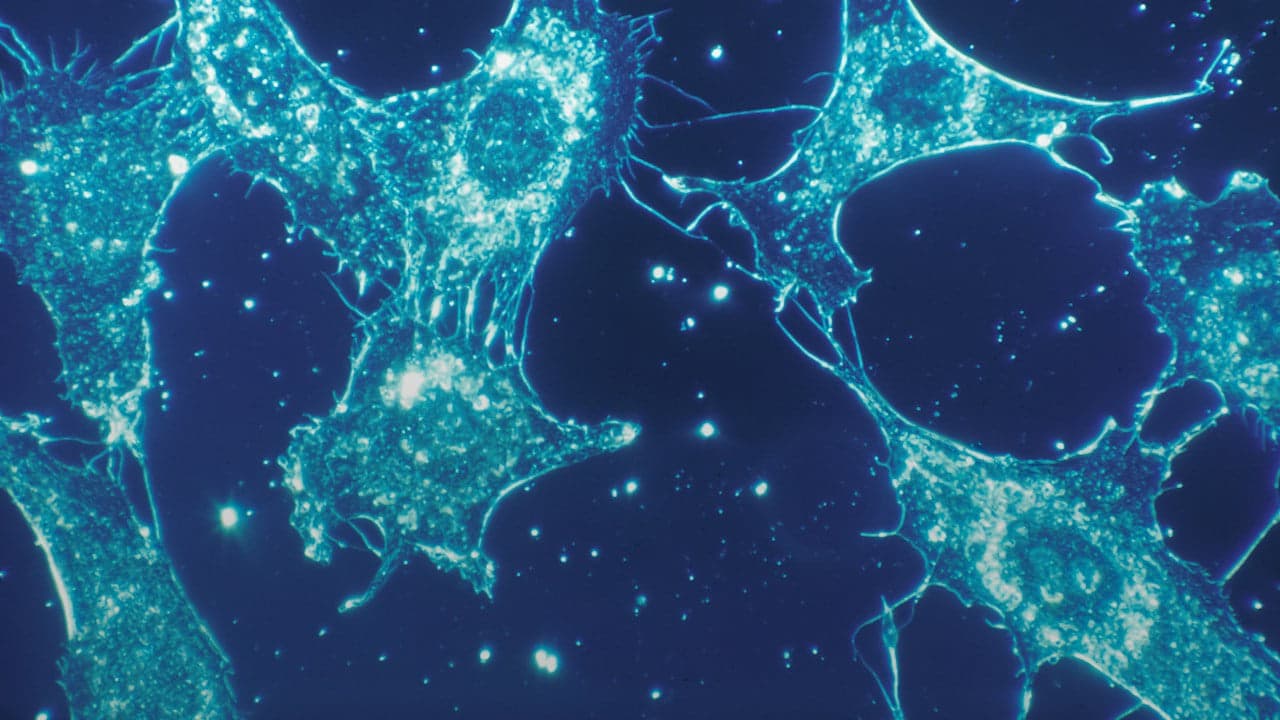
Recent breakthroughs in biohybrid robotics have demonstrated that cultured human neural tissue can process tactile information and steer physical machines. Researchers from the University of Bristol and Melbourne-based Cortical Labs are pairing biological neurons with silicon electronics to achieve adaptable learning using minimal computational power.

Letizia Giugliano

Environment

University of Melbourne Study Maps 34 Percent Cut in EV Battery Emissions

A study led by researchers at the University of Melbourne reveals that lithium-ion battery supply-chain emissions can drop by approximately 34 percent by 2050. The research models how industrial decarbonisation and demand-side strategies could prevent up to 7.2 billion metric tons of greenhouse gas emissions worldwide.

Letizia Giugliano

Science

Decoupled Heavy Neutrinos Offer New Solution to Cosmic Matter Asymmetry

Physicists from the University of Southampton and the Indian Institute of Technology Kanpur have introduced a cosmological model explaining why matter survived the Big Bang instead of annihilating against antimatter. The study demonstrates that a slowly decaying, decoupled heavy neutrino temporarily dominated the cosmic energy density, shifting fundamental interaction temperatures. Published in October 2026, the discovery provides a measurable mechanism that could be confirmed through primordial gravitational waves.

Letizia Giugliano

IT

Stanford Engineers Transmit Wireless Data Using Ambient Thermal Noise

Researchers at Stanford University have developed a wireless communication method that transmits binary data without actively generating a radio wave. Described in a study published in the Proceedings of the National Academy of Sciences, the innovation manipulates background static to deliver information. The system allows low-power sensors to communicate while consuming up to a thousand times less energy than conventional radio transmitters.

Letizia Giugliano

Stories

Vienna Chemists Turn Discarded Plastics into Solar Water Harvesting Sponges

Materials chemists at the University of Vienna have developed a method that converts aromatic plastic waste into functional polymer networks capable of extracting water from the air. Discarded packaging and consumer plastics capture ambient humidity and release liquid water when exposed to moderate solar heat, offering a circular approach to resource recovery.

Letizia Giugliano

Inventions

Bio-Kirigami Hydrogels Fold Themselves into Complex Human Tissue Shapes

Researchers at the University of Illinois Chicago have developed a shape-shifting hydrogel platform inspired by kirigami to create complex three-dimensional tissue structures. Reported on October 19, 2026, the biofabrication invention uses patterned light to program living scaffolds that fold autonomously over time. The breakthrough addresses long-standing hurdles in engineering curved anatomical structures like cartilage, bone, and blood vessels.

Letizia Giugliano

Makers

Making Photovoltaic Solar Cells at Home Using a Microwave Kiln

Semiconductor manufacturing typically requires specialized cleanrooms, but creator Dr. Semiconductor has demonstrated a practical benchtop method to fabricate working silicon solar cells at home. The process uses off-the-shelf chemicals and a standard microwave kiln to perform phosphorus diffusion on bare silicon wafers, achieving an initial conversion efficiency of roughly 5%.

Letizia Giugliano

Tech

Acoustic Control of Microbubbles on Chip Opens New Paths for Actuators

A research team led by Zhiyuan Zhang has developed a microscale method capable of generating and steering individual hydrogen bubbles across a chip. Published in Science Advances, the technical innovation uses tailored ultrasound frequencies to manipulate microbubbles by size, offering a new mechanism to drive tiny actuators in fluids.

Letizia Giugliano