neuroscience

Medicine

Off-Patent Therapy Restores Brain Connectivity in Multiple Sclerosis

Administering an off-patent compound alongside standard care improves functional brain connectivity in people with multiple sclerosis. Investigators at Thomas Jefferson University reported the clinical imaging results in IBRO Neuroscience Reports, identifying a treatment route that addresses nerve cell damage. The therapeutic protocol relies on replenishing depleted antioxidant defenses within the central nervous system.
Medicine

Stanford Brain Connectome Map Predicts Alzheimer Risk 12 Years Early

Researchers at Stanford Medicine have developed a brain activity scoring method that can forecast Alzheimer's disease up to 12 years before clinical symptoms emerge. The diagnostic innovation analyzes resting-state functional connectivity across neural networks to measure vulnerability and resilience. Published in Science Advances on Nov. 4, the findings reveal measurable functional shifts long before amyloid plaques or memory problems appear.

Biology

Why ASPM Mutations Strike the Human Brain Harder Than Other Mammals

Genetic mutations linked to microcephaly leave human brains severely underdeveloped while sparing laboratory mice with the same defect. A research team at the VIB-KU Leuven Center for Neuroscience has resolved this evolutionary puzzle by tracking early cellular growth in human tissue models. Their scientific innovation shows that defects in the ASPM gene selectively target the stem cells that allow human brains to expand.

Tech

Rockefeller University Engineers TrUDI Platform for Deep Brain Imaging

Biophysicists at Rockefeller University have developed a microscopy system that records neural activity deep within living brain tissue without requiring the surgical removal of overlying layers. The technical innovation, described in Nature Methods, boosts three-photon imaging efficiency by roughly 250 times while protecting delicate neural structures from heat damage.

Letizia Giugliano

Medicine

Subcortical Nuclei Anticipate Sensory Sights and Touch in Real Time

Neurobiological research reported in mid-October 2026 demonstrates that subcortical nuclei anticipate sensory experiences prior to their physical occurrence. The discovery provides fresh insight into sensory processing and neurological timing mechanisms. Understanding how subcortical regions prepare for incoming stimuli highlights an important scientific innovation in basic sensory medicine.

Letizia Giugliano

Medicine

Optogenetics Pioneers Win Nobel Prize for Illuminating the Brain

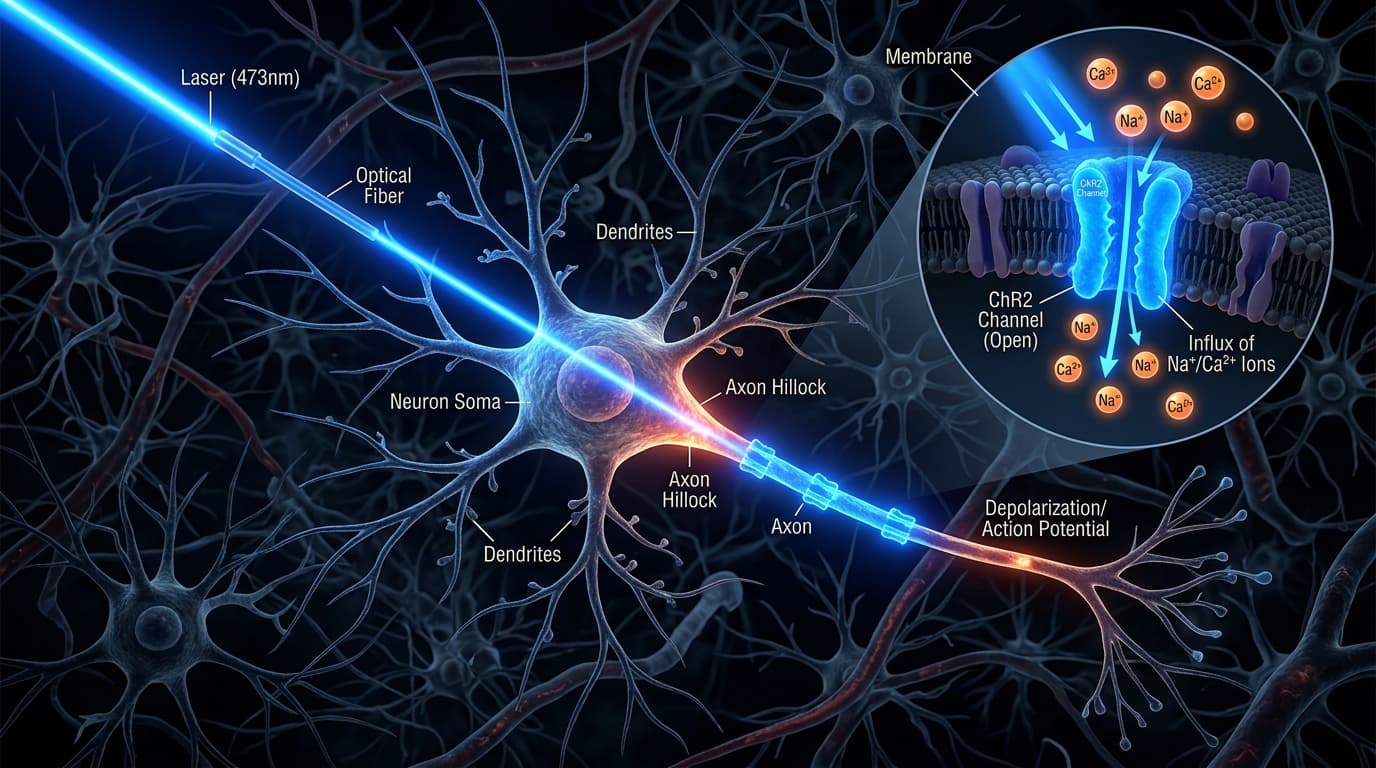
Karl Deisseroth, Peter Hegemann, and Georg Nagel have been awarded the Nobel Prize in Physiology or Medicine 2026 for their foundational work in optogenetics. This revolutionary technique utilizes light to control nerve cells, offering unprecedented insight into how the brain forms memories, emotions, and behaviors, and paving the way for new treatments for neurological conditions.

Giovanni Sapere

Health

The Brain Is Not Sterile: Possible Human Brain Microbiota Discovered

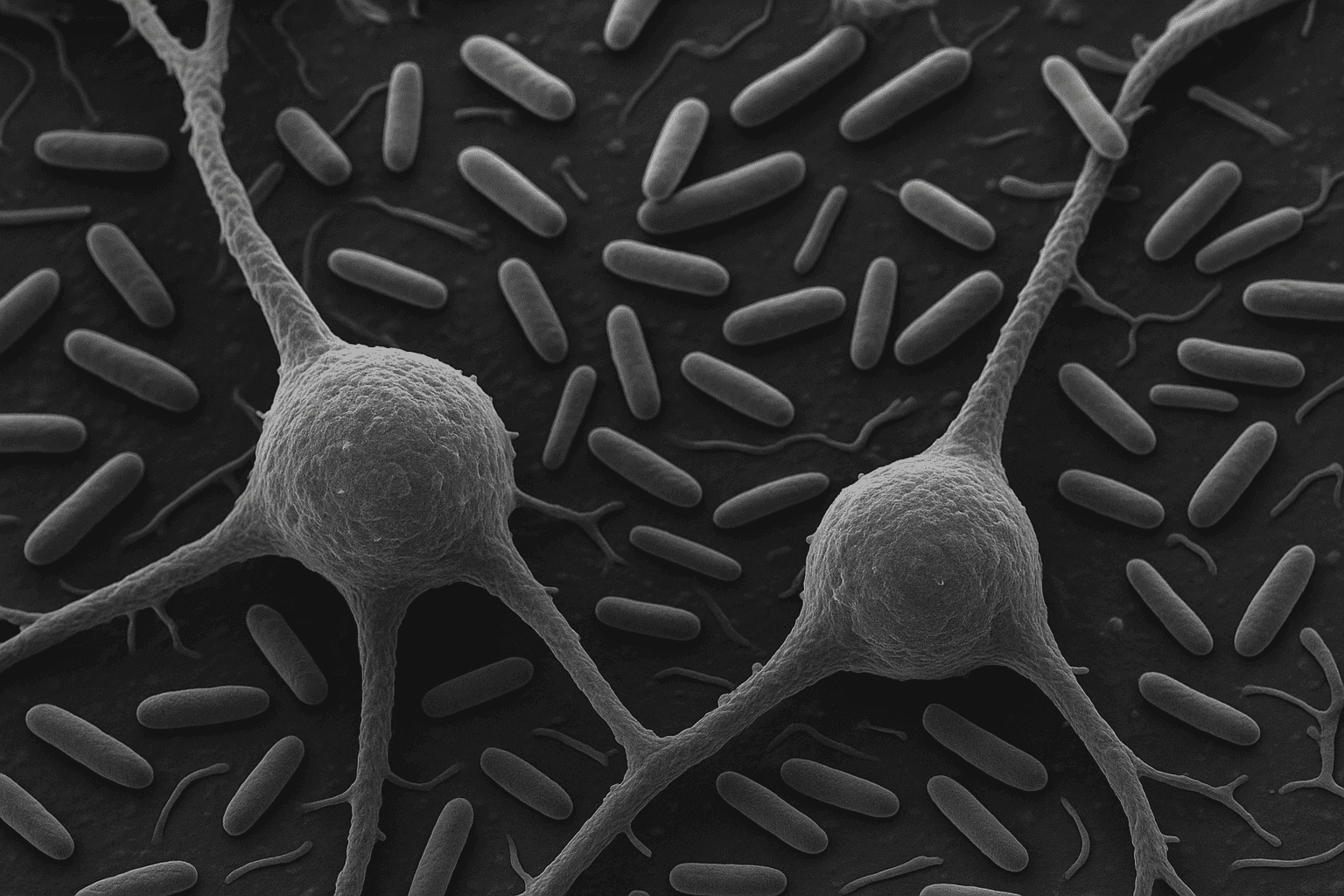
A groundbreaking May 2025 study published in Nature Communications challenges the long-standing belief of a sterile brain: microbial traces identified in human brain tissue. What are the implications for neuroscience and medicine? Does the Brain Host Bacteria? A Discovery That May Transform…

Alessia Nobile